News - Rethinking Plastics: New York's Packaging Proposal
Business Strategy
Rethinking Plastics: New York's Packaging Proposal
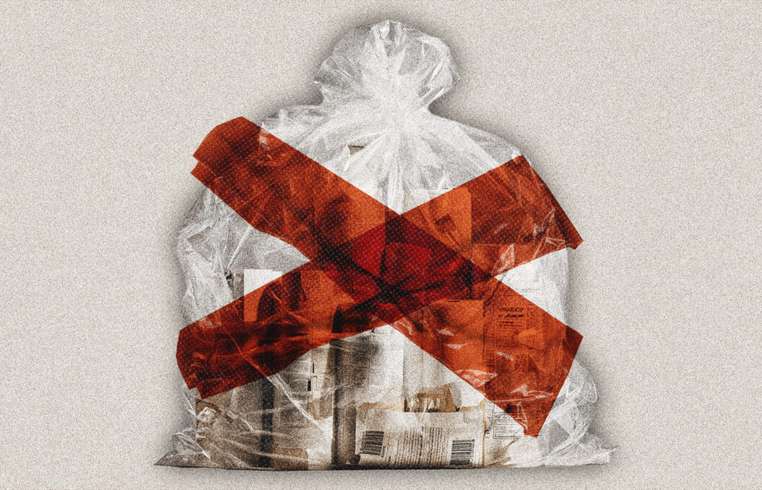
In an environmental push, New York state legislators are examining a new policy aiming at large corporations to curb their reliance on plastic packaging. The proposed regulation targets businesses with annual profits exceeding $5 million, requiring them to significantly cut down or phase out the use of plastic packaging entirely. Advocates of the bill argue that it is a necessary step towards reducing pollution, decreasing waste, and shifting the financial burden of recycling from public coffers to the corporate sector, who are seen as major contributors to the plastic problem. The initiative has garnered support from environmental groups and activists who emphasize the positive impact such a law could have on environmental sustainability. They point out that pushing corporations to adopt eco-friendly packaging alternatives could set a precedence for nationwide change, paving a cleaner, greener path for future generations. The transition is seen as a critical move in the broader global effort to mitigate the ecological threats posed by plastic waste. However, the proposed bill has also sparked considerable debate, particularly within the business community. Grocery stores, packaging companies, and other related industries have expressed concerns over the potential economic implications. They contend that the increased costs associated with alternative packaging solutions could translate into higher prices for everyday products such as toilet paper, diapers, and paper towels, which are critical household items. These businesses further argue that the proposed measures could lead to logistical challenges, including higher incidences of damaged goods due to less durable packaging alternatives. There is apprehension that such disruptions could culminate in supply chain issues, leading to shortages of essential items and exerting additional financial pressure on families. Despite these criticisms, supporters of the bill remain steadfast, asserting that the long-term environmental gains outweigh the immediate economic drawbacks. They maintain that with strategic planning and innovation, businesses can transition smoothly to sustainable practices without significantly impacting consumer prices. The debate is ongoing, as both sides present compelling cases in the context of environmental responsibility and economic viability. Legislators face the challenging task of finding a balance between ecological priorities and business sustainability in shaping New York's regulatory landscape.
About usyoo

Categories
Tags