News - Miami Residents Challenge Trump's Library Location
Business Strategy
Miami Residents Challenge Trump's Library Location
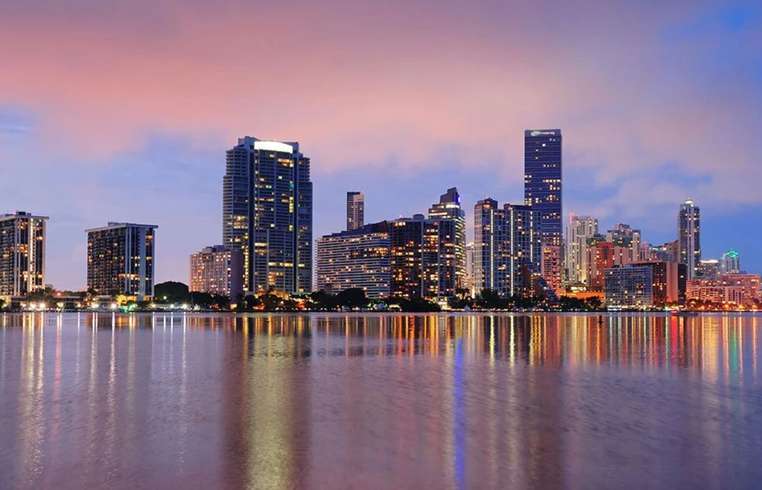
In a developing legal battle, Miami locals have initiated a lawsuit against the establishment of Donald Trump's presidential library on a prime waterfront property. The contentious project, taking place on a plot valued over $67 million, has stirred concerns regarding constitutional violations. Residents allege that Florida authorities unlawfully allocated 1.2 hectares of land for this purpose, thus infringing upon the U.S. Constitution's Domestic Emoluments Clause. The lawsuit spotlights the involvement of prominent figures such as Donald Trump, the presidential library foundation, Florida Governor Ron DeSantis, among others, accusing them of facilitating this controversial land transaction. The plaintiffs argue that the precedent set by this land allocation could encourage other states to offer similar incentives to presidents, thereby challenging the notion of equitable governance. Their legal argument hinges on the assertion that the land transfer violates constitutional provisions designed to prevent sitting presidents from receiving undue financial advantages from state governments. They further claim that the deal, motivated by political favoritism, undermines public trust and transparency. Defendants, however, rebut these claims, asserting the legality of the transfer and emphasizing the library's potential to boost local tourism and education. As the legal proceedings unfold, the case draws significant public and legal interest, reflecting broader debates about executive privileges and state powers. The lawsuit is seen as a critical test of the boundaries of state and federal governance regarding presidential benefits. As debates continue, the outcome could reshape future interactions between states and former national leaders. This unfolding legal battle highlights the continuing impact of Trump's legacy on American political and legal landscapes, presenting a profound intersection of law, politics, and public interest in Miami.
About usyoo

Categories
Tags