
News - Senate Republicans Block War Ending Bill Again
Business Strategy
Senate Republicans Block War Ending Bill Again
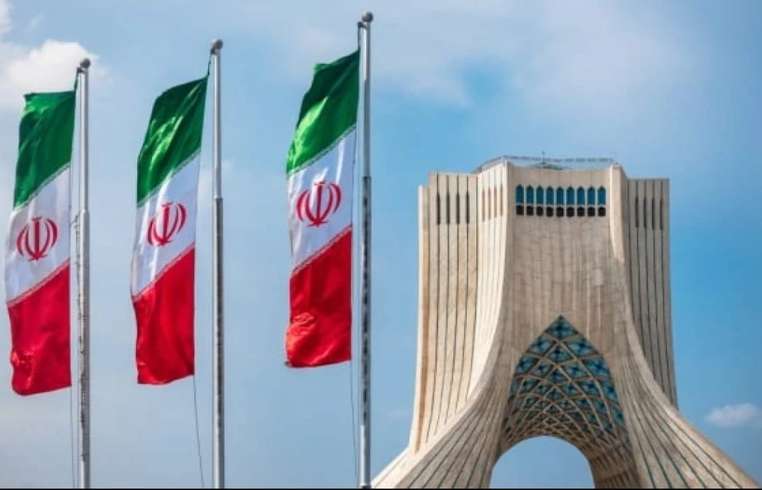
Senate Republicans have once more thwarted an effort by Democrats to pass a legislative measure designed to cease the ongoing military conflict with Iran. Despite this outcome, there is a notable increase in the number of Republican senators who are beginning to support peace efforts. Notably, Alaska's Republican Senator Lisa Murkowski joined her GOP colleagues Susan Collins from Maine and Rand Paul from Kentucky in opposing the continuation of military actions for the first time. The proposed measure faced a narrow defeat with a 49-50 vote, where Democratic Senator John Fetterman of Pennsylvania was the sole member of his party to oppose the bill. The ongoing Senate debate highlights a shift in perspectives, as more Republicans find themselves questioning the current military engagement's longevity and the growing need for diplomatic interventions. With mounting pressure from their constituencies, these senators are looking beyond partisan divides to support legislation aimed at preventing further conflict escalation. Alaska's Senator Murkowski's pivotal vote signals a transformation among traditional Republican ranks, bringing attention to bipartisan efforts striving for diplomatic solutions. As journalists and political analysts observe these shifts, the discourse focuses on whether this signals a long-term realignment within the Republican Party regarding foreign military engagements. Analysts note that the geopolitical ramifications of the U.S.'s stance on Iran have far-reaching consequences. The defeated bill aimed to terminate military authorizations granted in past conflicts, reflecting an urge among legislators to reassess foreign intervention policies. With the Senate narrowly divided, the direction of U.S. foreign policy hangs in the balance, awaiting further developments in congressional diplomacy. As the nation's political compass navigates these contentious waters, both parties continue to strategize, bearing in mind the upcoming election cycles and their ramifications on foreign policy. A closer examination of voting patterns may reveal emerging trends that could redefine the national debate on war and peace, potentially affecting the legislative approach towards future military involvements.
About usyoo

Categories
Tags