News - Australia Rethinks EV Tax Breaks After Budget Concerns
Business Strategy
Australia Rethinks EV Tax Breaks After Budget Concerns
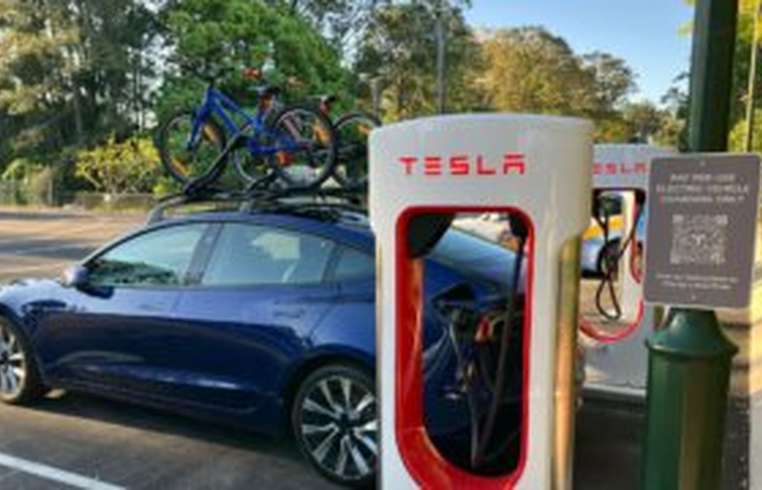
In a strategic recalibration, the Australian government is rolling back tax incentives that powered a substantial uptick in electric vehicle (EV) ownership, aligning with broader fiscal and environmental commitments. Treasurer Jim Chalmers, addressing budgetary constraints, has unveiled a plan to reduce or eliminate the Fringe Benefits Tax (FBT) exemptions for electric vehicles. Originally designed to encourage the nascent industry and promote sustainable consumption patterns, the tax scheme quickly exceeded financial projections. It was initially estimated to cost $90 million but has surged to a projected $1.35 billion due to an unexpectedly brisk uptake. This surprising financial impact has prompted the government to reassess its economic strategies in light of its ambitious $12.3 billion investment towards achieving net-zero emissions. The scaling back of FBT exemptions illustrates a delicate balancing act between fostering green technologies and maintaining fiscal responsibility. The program's reevaluation could impact Australia's electric vehicle market dynamics, potentially affecting EV pricing and adoption rates. Market analysts suggest that this policy adjustment might momentarily curb enthusiasm for electric vehicles, but could also encourage innovation and competitive pricing strategies within the automotive industry. Environmental advocates are urging the government to accompany these tax changes with robust, alternative incentives to sustain momentum in clean energy transitions. Meanwhile, some critics warn that the abrupt fiscal shift could signal uncertainty to the broader green industry, potentially slowing the momentum towards sustainable transportation solutions. Chalmers stresses that the government remains committed to its environmental goals, encouraging further technological advancements and infrastructure developments to support Australia's green transport future. The coming years will reveal how these policy shifts impact both the economy and the path toward sustainability.
About usyoo

Categories
Tags