News - US Expands Sanctions to Halt Iran-China Oil Trade
Business Strategy
US Expands Sanctions to Halt Iran-China Oil Trade
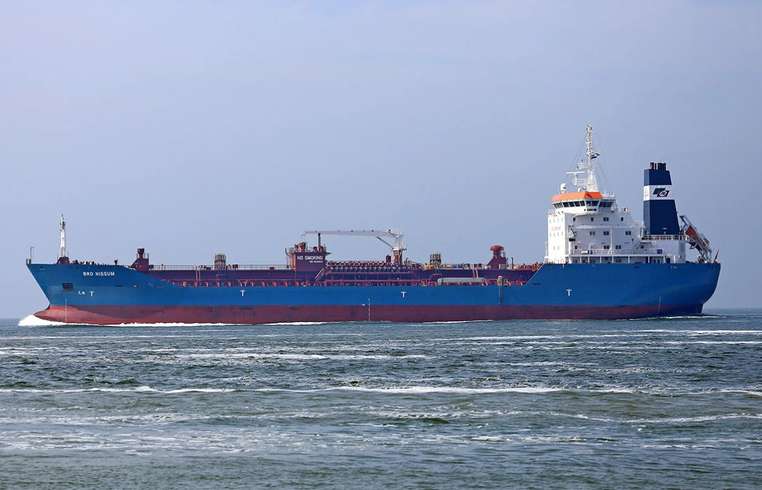
In a strategic move to curb Iran's oil trade with China, the United States has enforced sanctions targeting three individuals and nine businesses based in the UAE, Hong Kong, and Oman. This action aims to disrupt Iran's financial pathways supporting its military and nuclear objectives. According to Reuters, the US's recent strategy highlights significant financial disruptions, leveraging global networks to stifle Iran's influence. The State Department has also introduced a reward program to unearth information about the financial networks of Iran's Revolutionary Guard Corps (IRGC). The Trump administration anticipates leveraging this move as a key discussion point in Biden's diplomatic engagements with China, endeavoring to lead efforts towards conflict resolution in the Middle East. The sanctions fall as part of a wider pattern aimed at restricting Iranian oil exports, critical to Iran's economy, holding stark implications for the region's geopolitical landscape. Analysts suggest that the sanctioning of logistics companies and financial intermediaries reveals the US's determination to tighten economic pressures on Iran. In anticipation, Iran's financial resilience is put to test, with Tehran potentially facing a tightening noose around its regional ambitions. Mirroring this approach, reports indicate a sharp focus on the trilateral supply chain interconnecting Iran, its Asian trade partners, and the broader financial apparatus. Sanctions impact is pronounced, compounded by the intricate legal and commercial ties linking sanctioned entities to major players in the global marketplace. In strategic alignment with allies and a clear hardline stance, the US Department of Treasury's sanctioning calls have shown effectiveness with previously unseen depth and reach. CNN analysis suggests that these recent sanctions will directly affect the $15 billion market that underpins Iran's trade with nations like China. This financial market is pivotal to sustaining Iran's international engagements. As Tehran faces growing economic isolation, sanctions could lead to reshaping of alliances and priorities within Iran's strategic calculus, with potential shifts in its domestic and foreign policy paradigms. These maneuvers cascade across diplomatic channels, testing the robustness of established trade frameworks amidst global oversight and control efforts. Underpinning the sanctions is a broader ideological stance by the US, committing to regional stability and non-proliferation goals. As a part of its strategy, the US anticipates imposing accountability on Iran further through diplomatic pressure, while incentivizing transparency and reform within Iran's financial systems. The revelation of major deals and the crackdown on clandestine activities signify a pivotal moment in US-Iran relations, with implications extending beyond borders, to the very fabric of global economic interconnectivity. In broader terms, enforcement measures such as these signify a vital intersection of policy, economics, and security interests in the global arena. The US’s strategic execution sends a robust signal of its commitment to enforcing international norms, expecting measurable compliance from key economic players involved with Iran, encouraging Iran's accountability for its regional actions, whilst fostering a platform for re-evaluating its international behavior patterns.
About usyoo

Categories
Tags