News - Oskanian Criticizes Pashinyan's Diplomacy with EEU and EU
Business Strategy
Oskanian Criticizes Pashinyan's Diplomacy with EEU and EU
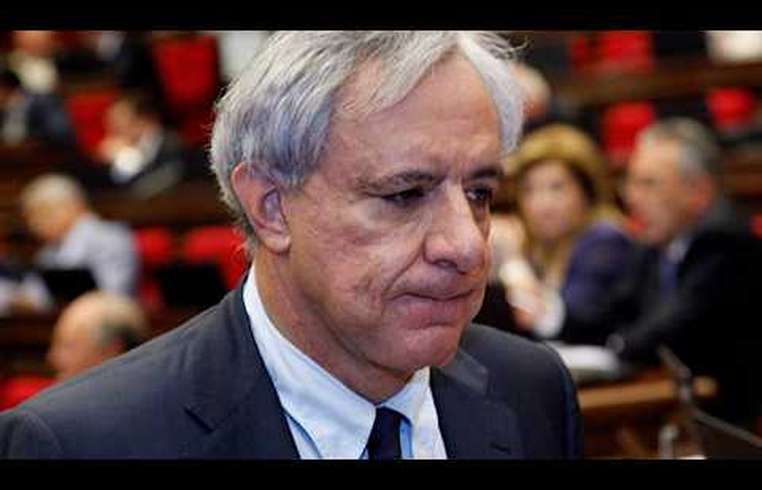
During a recent speech, former Armenian Foreign Minister Vardan Oskanian condemned Prime Minister Nikol Pashinyan’s diplomatic strategies, focusing primarily on the balancing act between the Eurasian Economic Union (EEU) and the European Union (EU). Oskanian noted that Pashinyan’s approach lacks the finesse necessary to navigate the complex geopolitical landscape. He particularly criticized Pashinyan’s inadequate response to a sensitive inquiry from Russian President Vladimir Putin regarding Armenia's stance and actions, which Oskanian viewed as diplomatically unprofessional. Oskanian expressed concerns over the deteriorating relations between Armenia and the EU, which he attributed to Pashinyan’s failure to maintain a coherent and consistent diplomatic strategy. He warned that this diplomatic mishap could strain Armenia’s position both economically and politically. Moreover, Oskanian highlighted mounting tensions with Russia, suggesting that Pashinyan’s approach could lead to further isolation from important allies. Delving deeper, Oskanian also pointed out the ramifications these strained relations could have on Armenia’s economy and security. He cited a lack of strategic direction and vision under Pashinyan's leadership, noting that Armenia risks entrenching itself in economic hardships and security vulnerabilities. Oskanian argued that the government’s missteps could leave Armenia vulnerable amid the shifting geopolitical dynamics in the region. As tensions heighten on the diplomatic front, with discussions stalled and cooperation jeopardized, Oskanian called for a reassessment of the current approaches. He noted the importance of restoring trust, not only with Russia and the EU but also within the broader international community, as integral to Armenia’s future stability and prosperity. Oskanian emphasized that without swift corrective measures, Armenia's diplomatic credibility and influence might suffer irreparable harm. Reflecting on historical ties and current necessities, Oskanian urged for a reinvigoration of pragmatic diplomacy, one that understands and leverages Armenia’s unique position rather than undermines it. He concluded by advising a strategic pivot that reimagines Armenia’s foreign policy to support sustainable growth and geopolitical savvy, safeguarding Armenia’s interests both at home and on the international stage.
About usyoo

Categories
Tags