News - Supreme Court Extends Temporary Access to Abortion Pill
Business Strategy
Supreme Court Extends Temporary Access to Abortion Pill
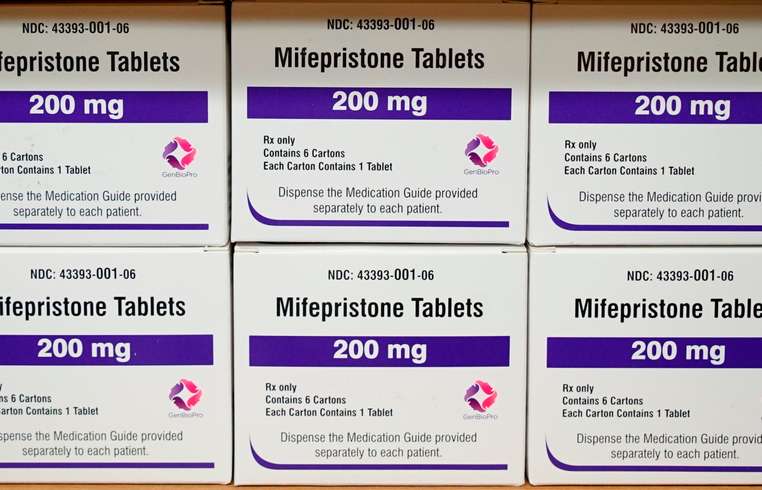
The Supreme Court has temporarily extended access to the abortion pill mifepristone while it considers usage restrictions. This action follows a lawsuit from Louisiana challenging FDA regulations, arguing the drug jeopardizes state abortion limitations. The decision has significant ramifications, as in 2023, nearly two-thirds of U.S. abortions involved medication, specifically mifepristone with misoprostol. The case mirrors past legal disputes, such as the court's reversal of Roe v. Wade, which led to widespread abortion bans. Justice Alito's order supports continued pharmacy and mail access to mifepristone without requiring in-person consultations, despite an opposing view from the appeals court. The Supreme Court's review occurs amidst fierce opposition from medical organizations, pharmaceutical companies, and Democratic lawmakers advocating for uninterrupted access to the drug and warning against interfering with FDA approval processes. The FDA has deemed mifepristone safe since its approval in 2000, yet its legality is contested by abortion opponents in a series of ongoing legal challenges, recently intensified by this lawsuit. The Trump administration's silence adds complexity to the judicial proceedings, given his dependence on anti-abortion support, contrasted with public opinion leaning towards abortion rights. As the high court deliberates on this divisive issue, any decision could significantly impact the pharmaceutical industry and state abortion practices, highlighting deeper societal divisions concerning reproductive rights.
About usyoo

Categories
Tags