News - USPS Faces Financial Crisis Amid Growing Public Support
Business Strategy
USPS Faces Financial Crisis Amid Growing Public Support
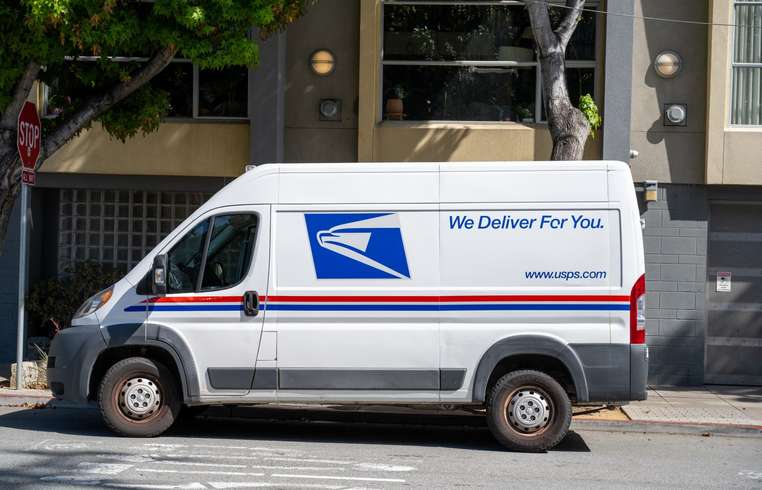
Amid looming financial instability, the U.S. Postal Service (USPS) has become the subject of public debate and concern, as a growing petition against proposed institutional changes nears its goal of 100,000 signatures. The USPS, a crucial lifeline for many Americans, especially in rural regions, warns that it may face severe cash flow problems without immediate Congressional intervention. The agency recently reported a startling net loss of approximately $2 billion in the last quarter alone. Postmaster General David Steiner has urged lawmakers to consider multiple avenues for aid, including financial assistance, enhanced borrowing capabilities, and operational flexibility. Steiner has appealed to Congress, outlining a need to streamline services by potentially closing unprofitable locations and adjusting delivery schedules—measures he believes are critical given the crisis at hand. Despite the grim numbers, the USPS recorded a slight rise in operating revenue, attributed to strategic price adjustments on key services. Nonetheless, Steiner emphasized that these gains are insufficient to overcome the deeper, structural financial challenges. "While we made progress, the road to financial recovery is long and demands more sweeping reforms," Steiner remarked. The future of USPS remains a contentious issue in Washington. President Trump has expressed a desire to overhaul the USPS, suggesting its incorporation under the executive branch or even eventual privatization—steps the Postal Service Board and leaders have resisted, arguing for its independence. The advocacy-driven petition reflects widespread anxiety, underscoring the essential nature of postal services for delivering essentials such as medications, legal documents, and ballots. Critics of privatization argue that such changes could disproportionately impact rural communities, where USPS services are more critical and private carriers charge premium rates. This financial entanglement of USPS is nothing new; the agency's fiscal woes have been a familiar tune in Congressional circles for decades. Steiner and other postal leaders acknowledge that while the 2022 Postal Service Reform Act was a move in the right direction, structural changes are still necessary to secure its future stability. The reform act offered some temporary alleviation by cutting down the USPS's financial obligations, yet questions linger on the fundamental sustainability of current models. As the deadline approaches, both the administration and postal advocates recognize that immediate and comprehensive strategies will be key to averting a larger logistical and service crisis. With the clock ticking, the urgency to preserve this institution—and its service promise to the American people—resonates stronger than ever.
About usyoo

Categories
Tags