
News - Pope John Paul II: A Mother's Legacy of Sacrifice and Love
Business Strategy
Pope John Paul II: A Mother's Legacy of Sacrifice and Love
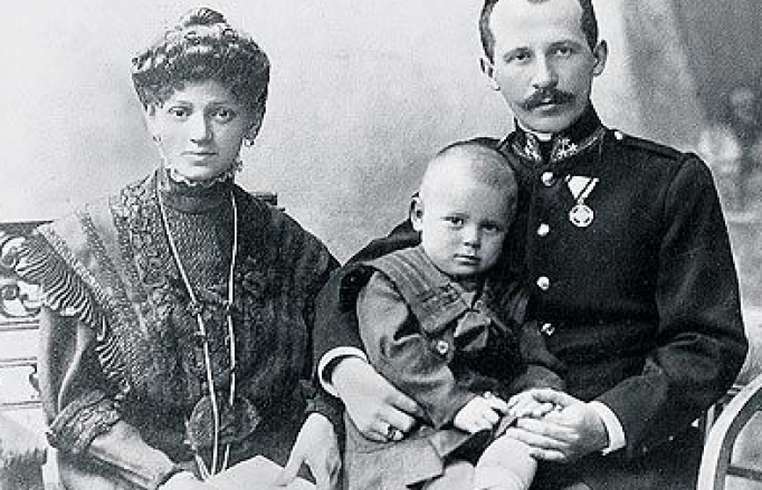
The extraordinary life and papacy of Pope John Paul II, often revered as 'the Great,' can trace its roots back to the unassuming home of his early years in Wadowice, Poland. Central to his spiritual development and philosophy was his mother, Emilia Kaczorowska Wojtyła, who left an indelible mark on him despite her early passing. Karol Wojtyła, who the world would later know as Pope John Paul II, was a mere 8 years old when he faced the harrowing loss of his mother in April 1929. Emilia's untimely death at 45 cast a profound shadow over young Karol, a shadow from which emerged a man of 'uncommon maturity,' as aptly described by biographer George Weigel. A lesser-known yet poignant piece of history is a poem penned by Karol as a teenager, ‘On Your White Tomb.’ This composition resonates with his enduring love and longing for the mother whose life and faith illuminated his path, even posthumously. In it, he contemplates the passing years, her enduring influence, and the depth of their connection, beyond death's comprehension. Emilia's choice to bring Karol into the world under fraught health circumstances is a testament to her courage and conviction in the sanctity of life. This choice, praised in Catholic teachings, laid not only the foundation for Karol's early years but also shaped the contours of his pontificate through its implicit teaching on the value of life and the feminine genius. Her spirit and voice filled their home with love and nurturing, even as she battled fragile health and the grief of lost children. Emilia and her husband Karol Sr. married in 1906 and carried the weight of profound personal losses—losing their daughter Olga hours after birth, and later their son Edmund to scarlet fever. Karol Jr.'s subsequent maturity was a seed planted by a mother and father whose devout lives are now under consideration for canonization as Servants of God. This process, begun in 2020, seeks to honor the role they played in imbuing a future pope with resilience and faith. The testimony of those who knew John Paul II, including his secretary Cardinal Stanisław Dziwisz, underscores the holy reverence with which he held both his parents. The Wojtyłas' home was more than a dwelling—it was a nurturing ground for extraordinary virtue. As we celebrate motherhood, Emilia Wojtyła's story reminds us of the profound influence a mother's heart can have. The love she instilled has flourished into a legacy of fearless leadership and faith. The 'flowers of life' over her grave may have faded, but her spirit continues to stir, mirroring the courage and hope instilled in her son, who led with a resounding 'Be not afraid.'
About usyoo

Categories
Tags