
News - Funding for the White House Ballroom Sparks Public Outrage
Business Strategy
Funding for the White House Ballroom Sparks Public Outrage
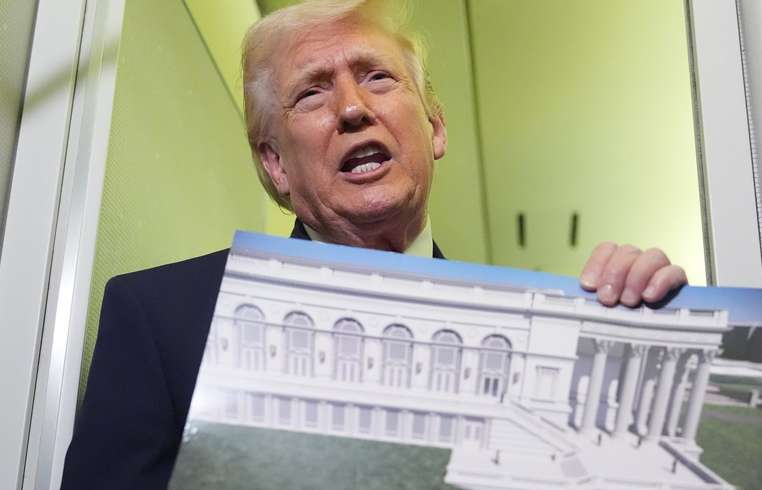
The proposed White House ballroom associated with President Donald Trump has spurred significant controversy over its funding after Senate Republicans sought $1 billion in public funds. Initially promoted as a $200 million project to be funded through private donations, its shift to taxpayer funding has faced intense criticism. According to the recent reconciliation package introduced by Sen. Chuck Grassley, chair of the Senate Judiciary Committee, the plan also includes aspects of federal law enforcement and border security. Critics argue that this increased proposed cost highlights excessive government expenditure and misaligned priorities focusing on vanity projects instead of public needs. Public outrage on social media has been unrestrained, with accusations against the administration for financial misconduct and irresponsible budgeting. The controversy revolves around the fact that the project, originally intended to be privately funded, has now escalated in cost and depends entirely on taxpayer money, rising from an initial $200 million to a proposed $1 billion. Despite a federal judge halting construction pending congressional approval and ordering a temporary stop to the project, Trump and his allies argue for its necessity. They assert that the ballroom, termed the East Wing Modernization Project, is crucial for securing important government gatherings. The request includes funds for 'security adjustments and upgrades,' justifying the substantial cost increase with security enhancements both above and below ground. While critics continue to view the project as largely self-serving, Trump's candid admission that military infrastructure is being built secretly beneath the ballroom has raised additional questions. This revelation emerged from ongoing legal proceedings, with Trump admitting that the secrecy had been compromised. The debate persists on whether this initiative serves national interests or presidential prestige, with public scrutiny increasing alongside the rising costs.
About usyoo

Categories
Tags