
News - Community Acts of Kindness: News Viewer Becomes Lifeline for Former Anchor
Business Strategy
Community Acts of Kindness: News Viewer Becomes Lifeline for Former Anchor
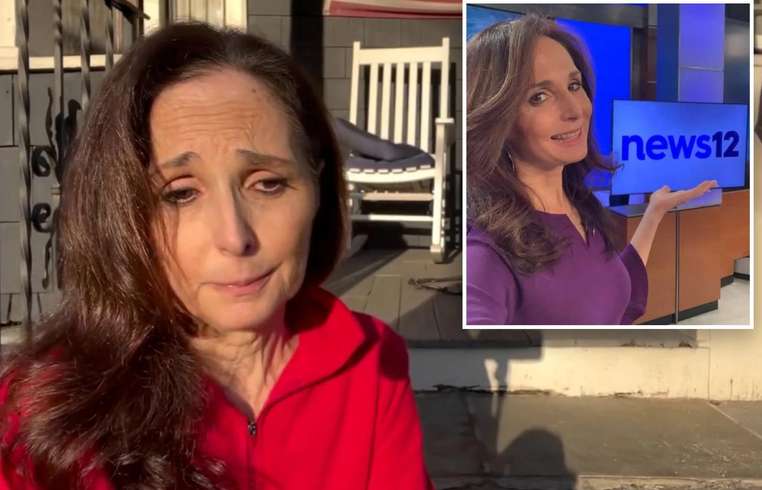
In the world of broadcast news, stories often highlight the resilience and heartwarming strength of communities. A recent development from Long Island exemplifies this spirit in a profound way. Amy McGorry, a former News 12 anchor, found herself at a critical juncture in her life, facing the dire need for a liver transplant due to her battle with autoimmune hepatitis and primary biliary cholangitis (PBC). Both conditions had taken a devastating toll on her health, leaving her in urgent need of an O-positive liver donor. A breakthrough came unexpectedly, amidst her daily life as a professor at Long Island University. It was during a typical health science class, on the last day of the term, when McGorry received the extraordinary news: a donor had been found. This was no ordinary moment—it was filled with emotion as her students, who had walked her journey with her, erupted into applause, offering their support for their beloved instructor. The anonymous donor, a dedicated viewer from McGorry's time on News 12, came forward after seeing coverage of her plight. Moved by her story broadcasted on a segment concerning her health challenges, the viewer willingly underwent rigorous testing to ensure compatibility for the donation. Speaking with The Post, McGorry reflected on this miracle: 'It’s incredibly heartwarming to witness such a profound gesture from a viewer. To think that the very medium I once worked for could catalyze such a life-saving act is truly humbling.' The road to discovering our life-saving match was not an easy one. Two months prior, McGorry's world spun further into uncertainty following a fainting incident that led to hospitalization, highlighting the urgency of her medical condition. Her doctors stressed the necessity of a liver transplant to prevent worsening internal bleeding. The generous act of this anonymous donor not only offers McGorry a second chance at life but inspires her advocacy journey. In April, she channeled her energies into lobbying for the Living Donor Protection Act in Washington DC, a legislative effort aimed at protecting donors with guaranteed job-protected leave as they recover. This heartening story underscores the power of community, media, and selfless compassion, illuminating how one viewer's decision to listen, watch, and act can alter the course of another's life profoundly. As McGorry prepares for her scheduled transplant in June, she expresses gratitude for a chance to envision a future beyond this health crisis—a hope shared and amplified by the very community she once served through her journalism.
About usyoo

Categories
Tags