
News - Macron's Armenia remarks criticized by Ashotyan
Business Strategy
Macron's Armenia remarks criticized by Ashotyan
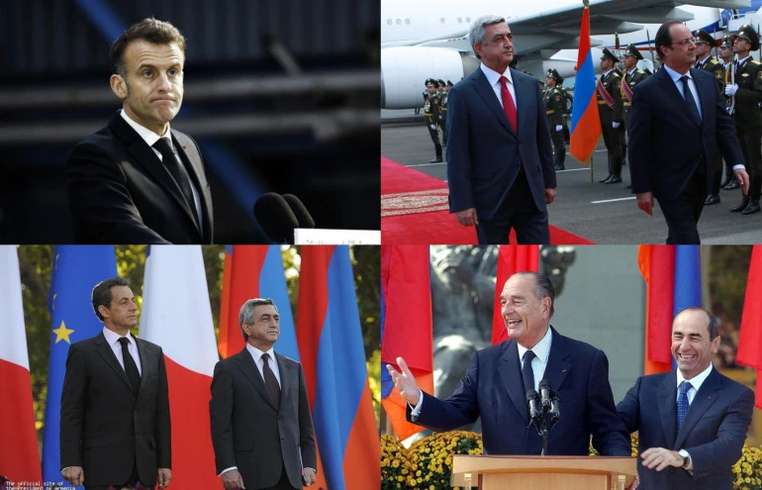
In a recent address, French President Emmanuel Macron stated at a European Political Community summit in Yerevan that 'eight years ago, no one would come to Armenia.' This comment has been met with criticism from Armen Ashotyan, vice president of the Republican Party of Armenia, who accused Macron of hypocrisy. According to Ashotyan, previous French leaders such as Jacques Chirac, Nicolas Sarkozy, and François Hollande regularly made visits to Armenia, fostering strong diplomatic relations. Ashotyan expressed his view through a Facebook post, arguing that Macron's statement undermines the historical ties between the two nations. The controversy arises amidst Armenia's shifting political landscape, with the current administration under Prime Minister Nikol Pashinyan striving to align the country with European standards and reduce dependency on Russia. This move is particularly noticeable in the foreign policy embraced by Pashinyan, which aims to increase Armenia’s presence on the European stage. Macron's remarks were intended to highlight this transformation, suggesting that Armenia's strategic partnerships are evolving from those of a Russian satellite to a proactive European collaborator. However, Ashotyan sees this as a misrepresentation of both Armenia's past engagements and its ongoing commitment to maintaining a balanced foreign policy. This tension underscores the complex dynamics of international relationships, as Armenia continues to navigate its place between major geopolitical players. During his speech, Macron celebrated Armenia's recent strides towards democratic reforms and economic development, marking them as a 'new chapter' in Armenia’s history. Nonetheless, Ashotyan asserts that depicting this as a novel occurrence overlooks the longstanding, multifaceted relationship between France and Armenia, built over decades on cultural and historical connections. As Armenia embarks on new initiatives to enhance its global standing, reactions like Ashotyan’s ensure that the dialogue remains rooted in historical context, reminding current and future leaders of the importance of acknowledging past achievements while pursuing new paths. This ongoing discussion between diplomatic entities reflects the careful negotiation required to balance historical allegiances with future ambitions.
About usyoo

Categories
Tags