News - International Law Under Fire: ICC and UN in Controversy
Business Strategy
International Law Under Fire: ICC and UN in Controversy
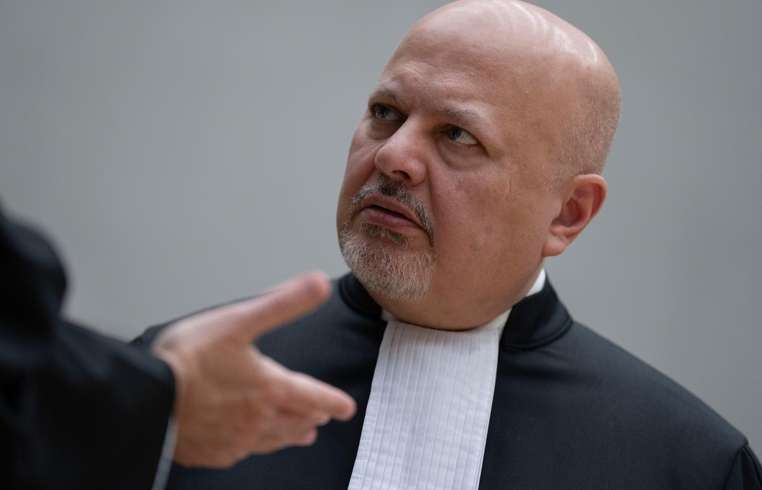
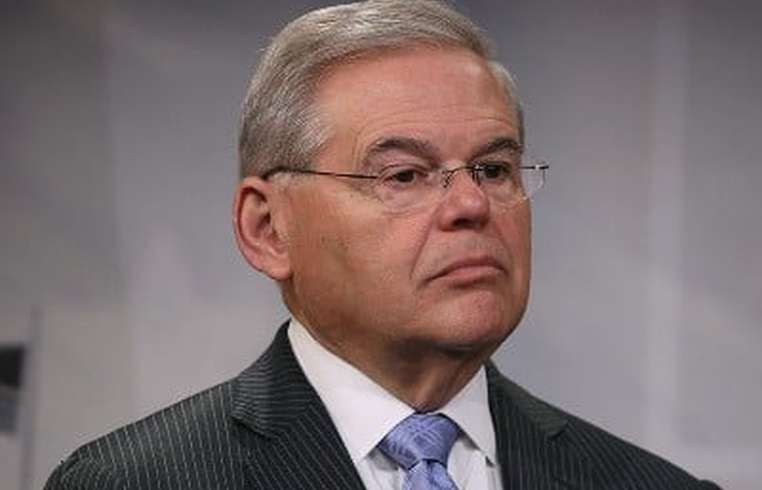
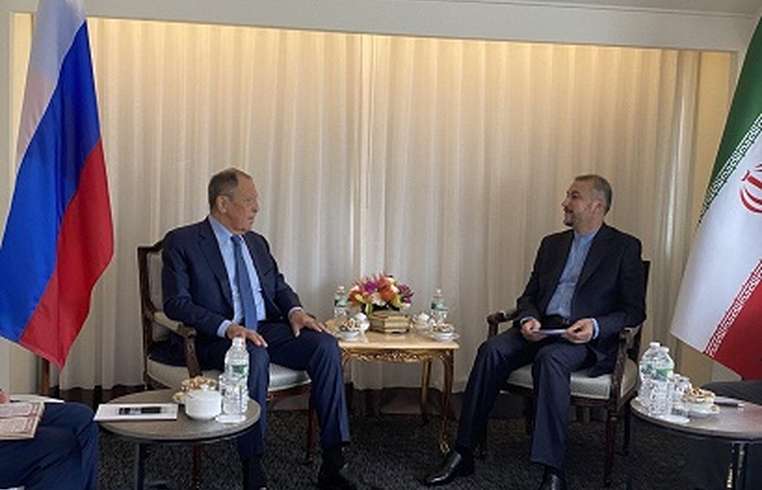
The landscape of international law is under scrutiny as controversies surrounding the International Criminal Court (ICC) and the United Nations (UN) unfold. The recent accusations against the ICC involve alleged interference by Qatar in the prosecution of Israeli Prime Minister Benjamin Netanyahu. Qatar is reported to have engaged high-end private intelligence firms to undermine a Malaysian attorney who accused ICC prosecutor Karim Khan of sexual assault. Khan has denied any wrongdoing, and his legal team insists he received no incentives to pursue charges against Netanyahu. The integrity of the ICC is questioned as it continues to confront accusations against Khan, with the court voting to initiate disciplinary measures. These developments have cast a shadow over the institution's claim to moral authority in international criminal law, especially given that many powerful nations neither acknowledge its jurisdiction nor submit to its governance. In a related issue, criticism has mounted against the UN, spotlighting its selection of Iran as a vice president for its nuclear non-proliferation conference—a decision regarded as ironic given Iran's controversial nuclear ambitions. The UN's credibility is challenged further with reports that some personnel affiliated with its Relief and Works Agency for Palestine have connections with Hamas militants who participated in violent attacks. The United States’ decision not to adhere to the Rome Statutes, which empower the ICC, is reaffirmed amidst these controversies. Questions arise regarding the rationale behind continued financial support to the UN, with calls for Washington to expose these perceived moral inconsistencies instead of tacitly endorsing them.
About usyoo

Categories
Tags