

News - AI Revolution: Software Coding Powered by Machines
Business Strategy
AI Revolution: Software Coding Powered by Machines
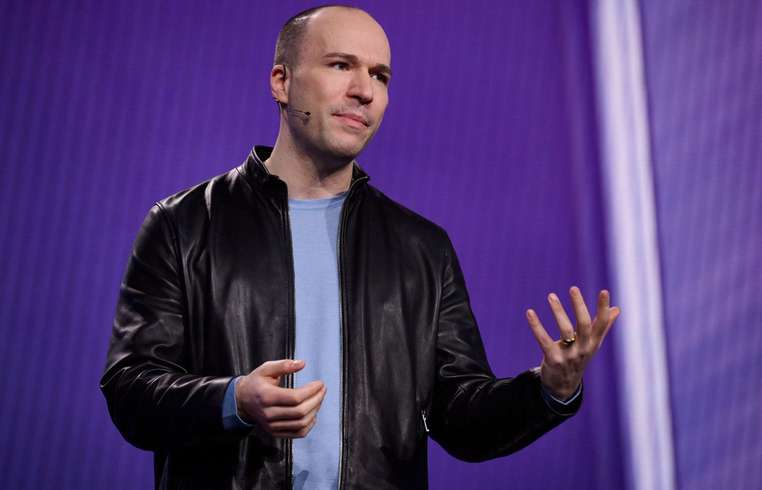
The landscape of software development is rapidly transforming as AI takes on a more central role in code generation. OpenAI's president, Greg Brockman, highlighted this evolution during a Sequoia Capital talk, sharing that AI tools have escalated from contributing 20% to a staggering 80% of code production in just a few months. Once a supplementary aid, AI has now become a cornerstone in the developer's toolkit, suggesting a significant shift in how technology companies will approach coding in the future. Such advancements are echoing throughout the tech industry, with major players like Google and Meta making substantial investments in AI capabilities. Google CEO Sundar Pichai shared that 75% of their new code is now AI-generated, with a rapid increase projected. Meanwhile, Anthropic CEO Dario Amodei forecasts AI will produce 90% of code in the near future, accelerating innovation. Despite the excitement, experts stress the importance of human oversight to ensure the quality and responsibility of AI contributions. These discussions frame an era where AI's integration is no longer optional but critical for competitive advantage in the tech space. Platforms like OpenAI's Codex are pioneering this AI surge, extending utility beyond traditional software engineering into broader computer-based tasks. As AI's role continues to expand, the tech industry must navigate this revolution with strategic adoption and caution.
About usyoo

Categories
Tags