News - Global oil prices rise sharply due to unrest in the Middle East.
Business Strategy
Global oil prices rise sharply due to unrest in the Middle East.
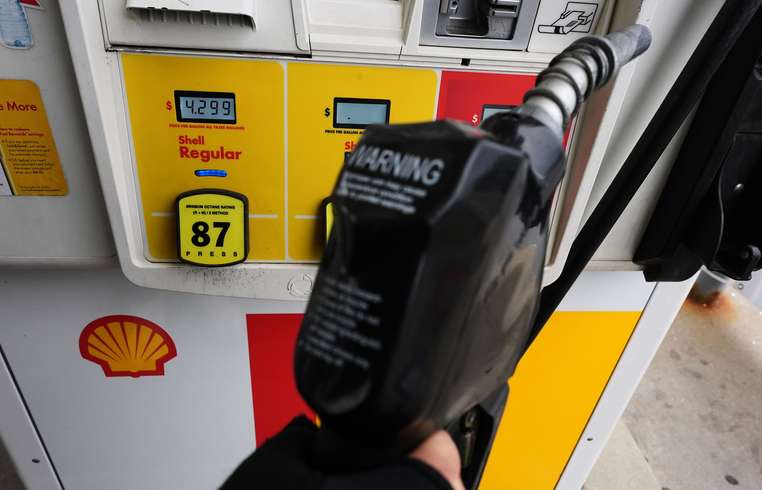
In a dramatic surge that rattled global markets, oil prices briefly soared to $126 per barrel, marking a four-year peak amid the intensifying US-Iran conflict. The sharp increase in oil prices was seen as Brent crude, the global benchmark, reached $126.41 per barrel overnight before retreating to $116.3 as market activity settled. Similarly, West Texas Intermediate (WTI) crude was largely unchanged at $106.7 per barrel by the close of trading. The spike prompted a major concern worldwide, especially as US average gasoline prices climbed to $4.30 per gallon, the highest in four years, according to AAA's latest data. The primary drive behind this price surge was a report suggesting further escalation of the conflict might be considered by the US, as noted by analysts from Deutsche Bank. Compounding the situation is the technicality of oil futures contracts. Neil Wilson of Saxo Bank explained that the June futures contract expiry prompted a shift in trading volumes to the July contract, trading above $110 per barrel. The ongoing deadlock in US-Iran negotiations and the continued closure of the strategic Strait of Hormuz have fueled persistent price hikes over the past eight days. This vital corridor for oil and natural gas shipments remains shut, as diplomatic efforts to resolve the conflict have made scant progress. US President Donald Trump's remarks about maintaining a naval blockade of Iranian ports only heightened tensions. Strategic discussions among his top advisers indicate intentions to indefinitely close Hormuz, a move Iran's military adviser Mohsen Rezaei has warned will not go unanswered. The prospect of military escalation in the Middle East keeps traders wary. As stated by Janiv Shah of Rystad Energy, any significant attacks on energy infrastructure could further accelerate price increases, impacting global oil demand, which already shows signs of slowdown. The International Energy Agency has flagged the significant drop in tanker movements through the Strait of Hormuz, labeling it the largest supply disruption historically. Consumers worldwide face potential price surges in petroleum-based products and possible global economic destabilization. Economists caution that extended disruptions could lead the world into recession, as countries grapple with shortages and inflation. Vandana Hari from Vanda Insights warns that oil prices face an upward trajectory until the strait is reopened, though the timetable for resolution remains elusive. The ripple effects are anticipated to hit Asia predominantly, given its heavy reliance on energy imports and production of global consumer goods. This story reflects dynamic developments in geopolitical tensions and their economic repercussions globally. The CNN Wire™ & © 2026 Cable News Network, Inc., a Warner Bros. Discovery Company. All rights reserved.
About usyoo

Categories
Tags