

News - A rare split-colored lobster has found a new home at a Massachusetts aquarium.
Business Strategy
A rare split-colored lobster has found a new home at a Massachusetts aquarium.
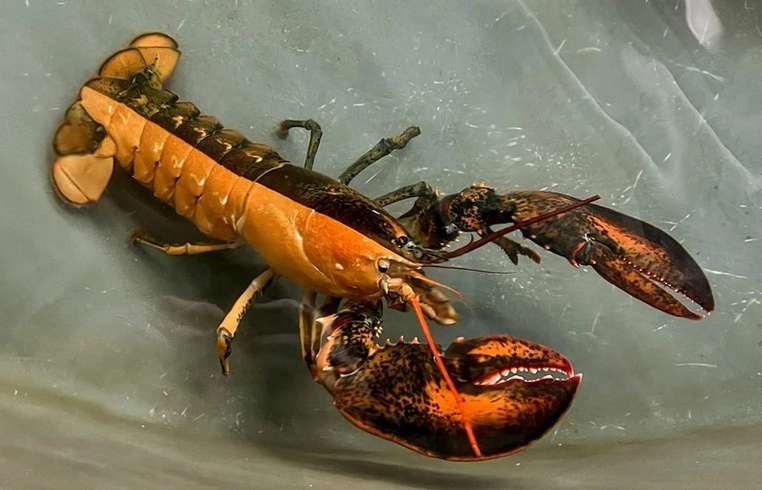
A remarkable discovery off the coast of Cape Cod has marine enthusiasts buzzing—a bicolor lobster exhibiting a striking orange and blue-green split coloration. This rarity, believed to be just one in 50 million, was caught by the Timothy Michael fishing vessel under the Wellfleet Shellfish Company. Recognizing its unique traits, the company donated this extraordinary creature to the Woods Hole Science Aquarium, a facility renowned for its dedication to marine research and education and operated by NOAA Fisheries. Katie Dever, the aquarium's lead biologist, expressed excitement over the newest addition. Despite most lobsters in New England displaying a typical green-brown hue for camouflage, anomalies like this bicolor lobster occasionally emerge due to genetic mutations. This specifically occurs when two ova blend during early development, resulting in a split-colored shell that is a marvel to witness. Although not the first bicolor lobster Woods Hole Science Aquarium has had, it is the first encountered under Dever's tenure. The specimen weighs over three pounds and is estimated to be between 10 to 20 years old. The lobster is currently housed at the NOAA Marine Biological Laboratory, where it undergoes a mandatory quarantine period. This step ensures that the lobster does not introduce illnesses to the aquarium's other inhabitants. To aid in the lobster's adaptation and well-being, special attention is given to its dietary preferences, like live blue mussels, and living arrangements, as lobsters require ample space due to their territorial nature. Its survival in the wild, despite its stark coloration making it susceptible to predators, adds to the fascination surrounding its discovery. Woods Hole Science Aquarium, with origins dating back to the 19th century, is undergoing significant renovations expected to conclude by early 2027. Once completed, the aquarium will exhibit a wide array of regional marine life, reinforcing its role in conservation and education. Notably, the establishment is committed to showcasing local species native to the Massachusetts region rather than exotic creatures. Anticipation grows as the aquarium prepares to unveil this lobstographical wonder to the public in the coming years, alongside educating visitors about regional marine ecosystems and the importance of sustainable seafood practices.
About usyoo

Categories
Tags