
News - Oil prices surge as tensions rise: Closure of the Strait of Hormuz intensifies the situation.
Business Strategy
Oil prices surge as tensions rise: Closure of the Strait of Hormuz intensifies the situation.
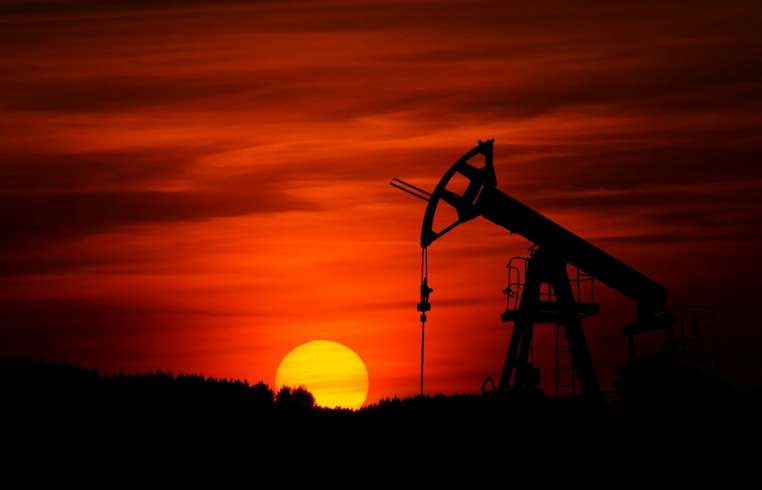
The global oil market faces heightened volatility as the critical Strait of Hormuz continues to be inaccessible due to escalating tensions between the United States and Iran. As of Wednesday, oil prices have soared, with Brent crude approaching $117 per barrel, marking a significant jump of over 94% since the year's start. Similarly, West Texas Intermediate has surpassed $105 per barrel, reflecting a steep 5% rise. These developments follow a report by The Wall Street Journal, which indicated that U.S. President Donald Trump has directed officials to brace for a prolonged blockade of Iranian ports, intensifying economic pressures on Tehran. The closure of the strait, a pivotal passageway for approximately 20% of the world's oil supply, exacerbates the geopolitical standoff. President Trump remains adamant in his approach, underscoring the importance of bringing Iran back to the negotiating table while demanding that Tehran halt uranium enrichment for two decades and comply with additional restrictions. Despite the closed-door negotiations, Trump's stance reflects a strategic pivot away from direct military conflict, viewing the prolonged economic strain as a tactical advantage. In a stark warning to Iran, Trump reiterated that Tehran must 'get smart soon,' frustrated with the stalled negotiations. His social media post underscored this sentiment, featuring an image with the declarative 'NO MORE MR. NICE GUY!' suggesting readiness for confrontation should diplomatic talks remain stagnant. Meanwhile, the economic repercussions for Iran are severe. The Iranian rial has plummeted to historic lows, trading at 1.8 million per U.S. dollar, signaling underlying economic disruptions worsened by the ongoing conflict. ABC News highlights that the currency, which showed resilience in the early conflict stages, is now succumbing to trading pressures and reduced imports. This depreciation has renewed domestic unrest reminiscent of earlier nationwide protests provoked by inflationary fears. Back on the ground in Iran, the socioeconomic landscape is fraught with challenges. Reports reveal that millions face potential unemployment and poverty as industries like refineries, textiles, and aviation contract under the fiscal strain of the combative environment. CNN's investigation unveils widespread layoffs and reduced work hours, portraying a grim future for Iranian workers. Government sources corroborate these findings, with estimates of the war costing nearly a million jobs directly, with broader effects exacerbating the plight of another million citizens. Facing both internal and external pressures, Iran finds its strategic options dwindling as it grapples with both an economic quagmire and the geopolitical chessboard.
About usyoo

Categories
Tags