News - Contaminated Water Concerns in Byureghavan Community
Business Strategy
Contaminated Water Concerns in Byureghavan Community
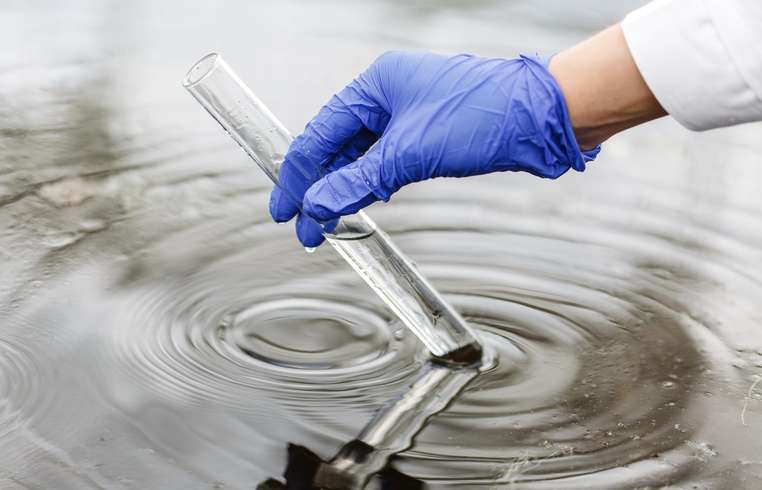
In recent developments, the Armenian National Center for Disease Control and Prevention has raised alarms over water quality issues in the Byureghavan community. Comprehensive testing has unveiled the presence of harmful coliform bacteria, along with rotavirus, adenovirus, and pathogenic strains belonging to the coli group, indicating significant fecal contamination of the local water supply. This revelation comes amid prior reports of rising intestinal infection cases among community members. The tests, conducted with advanced techniques, reflect a stark contrast to earlier water assessments, which suggested the water was safe for consumption. Experts have now identified critical health risks associated with the contaminated water, urging immediate intervention. Residents of Byureghavan, a town affected by these findings, have displayed increasing concern. Many are resorting to purchasing bottled water for daily use, opting to bypass the compromised local supply despite financial constraints. Local officials face mounting pressures to address the contamination issues while ensuring the health and safety of the community. This situation underscores the critical importance of constant vigilance in maintaining water quality standards. Public health officials are actively working on measures to rectify the contamination and prevent future incidents. The community is advised to stay informed and follow official guidelines to minimize health risks. Authorities stress the urgency of addressing these challenges promptly to restore confidence in the local water supply and safeguard public health.
About usyoo

Categories
Tags