News - Indie Game Developer Apprehended After Attempted Assault at High-Profile Washington Event
Business Strategy
Indie Game Developer Apprehended After Attempted Assault at High-Profile Washington Event
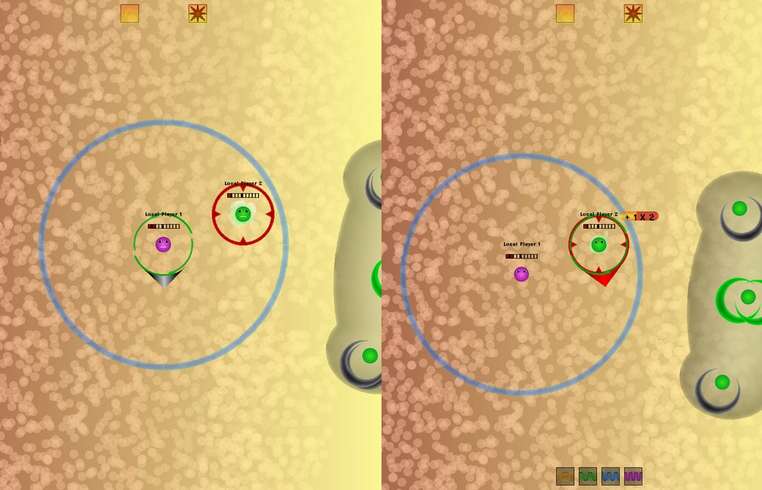
In a shocking turn of events, Cole Tomas Allen, a self-proclaimed indie game developer from Torrance, California, has been apprehended following a dramatic attempt to breach security at the White House Correspondents' Dinner. The 31-year-old allegedly opened fire near a checkpoint at the Washington Hilton hotel during the high-profile dinner attended by U.S. President Donald Trump and other prominent officials. Allen, who made headlines with this brazen act, had previously introduced himself as an indie game developer on platforms like LinkedIn, and released a game called Bohrdom on Steam in December 2018. Bohrdom, described as an unconventional, skill-based asymmetrical fighting game, draws inspiration from atomic structure and physics, combining elements of bullet hell games with racing. The game, which had been largely overlooked until recent events, saw an unexpected surge in activity and notoriety following the incident. Bohrdom's Steam page, still accessible despite the controversy, became a focal point for digital criticism and discussion. Player engagement peaked post-incident, with review counts skyrocketing from two to over 120, split between ironical praise and criticism related to the shooting. Allen's professional identity as detailed on his LinkedIn, emphasizes a diverse skill set involving game development, mechanical engineering, and computer science. His project, Bohrdom, is noted for its custom physics engine, musical scores, and graphics. A secondary project, 'First Law,' is mentioned but remains unreleased. In light of the incident, Bohrdom has been removed from purchase on Steam, and the platform has been approached for comments regarding its ongoing presence. Meanwhile, U.S. attorney Jeanine Pirro announced that Allen faces charges that include using a firearm during a violent crime and assaulting a federal officer. He is slated for a court appearance this coming Monday. The unfolding of events surrounding Allen has prompted discussions on the intersection of digital media presence and real-world actions, adding a layer of complexity to the public discourse on security and personal accountability. As the case progresses, it serves as a stark reminder of the potential for digital personas to cross disturbing boundaries into real-world crises.
About usyoo

Categories
Tags