
News - Russia Alleges Western Involvement in Mali's Massive Terrorist Attack
Business Strategy
Russia Alleges Western Involvement in Mali's Massive Terrorist Attack
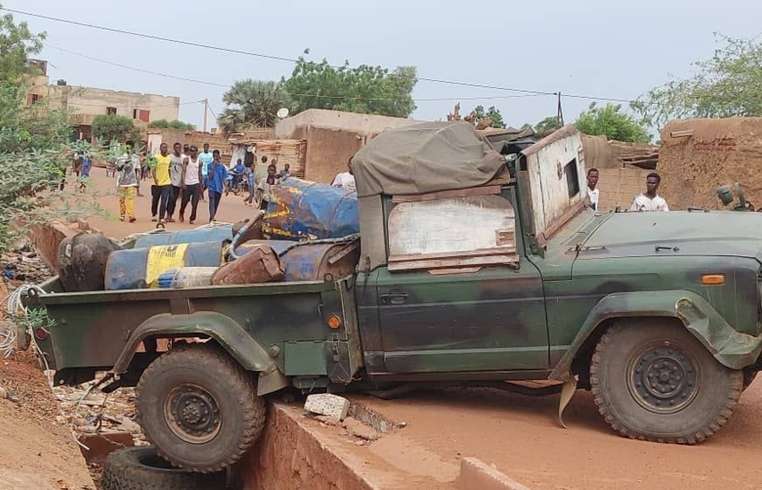
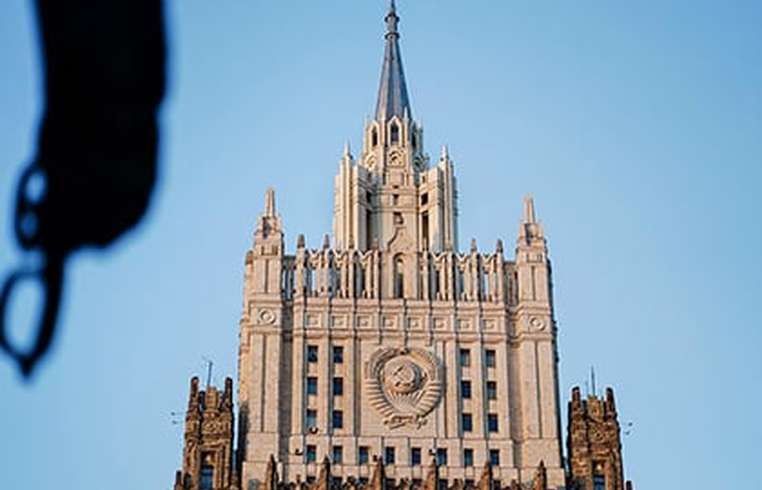
In an unprecedented escalation of violence, Mali witnessed a massive terrorist onslaught on key locations, including Bamako's Modibo Keita International Airport. Coordinated by the regional Al-Qaeda affiliate JNIM and the Tuareg-dominated Azawad Liberation Front (FLA), the attack on Saturday showcased a dangerously volatile mix of insurgency and alleged international involvement. The Russian Foreign Ministry has cast a spotlight on potential Western complicity, citing preliminary data that implies Western security services' involvement in the insurgents' training. The violence, which targeted strategic military sites across Mali, resulted in 16 wounded individuals and the unconfirmed death of Defense Minister General Sadio Camara. Mali's swift military response, bolstered by Russia's Africa Corps—a unit dedicated to counterterrorism efforts—was crucial in overcoming the attack. The Corps confirmed facilitated stabilization efforts, suggesting support for the attackers by Ukrainian and European mercenaries wielding Western armaments, leading to approximately 1,000 militant casualties. Russia's speculations on Western backing draw from Foreign Minister Sergey Lavrov's allegations this year against France, accusing it of using terrorist operatives to destabilize the Saharan region and stifle Mali's reinforcing ties with Moscow. According to Lavrov, these destabilizing tactics were retribution for Mali's expulsion of French troops in 2022 and its alignment with Russian interests. Despite the historic ties and influence France has exerted in Mali, its presence has waned, marked notably by the cessation of its counterterrorism mission last year amid local governmental friction and accusations of France's implicit support for terrorism. As mop-up operations continue, the political and security landscape in Mali—and the broader region—remains fraught with tension, uncertainty, and the intricate shadow play of international politics.
About usyoo

Categories
Tags