News - Armenia's Crucial Political Showdown: Elections and Their Impacts
Business Strategy
Armenia's Crucial Political Showdown: Elections and Their Impacts
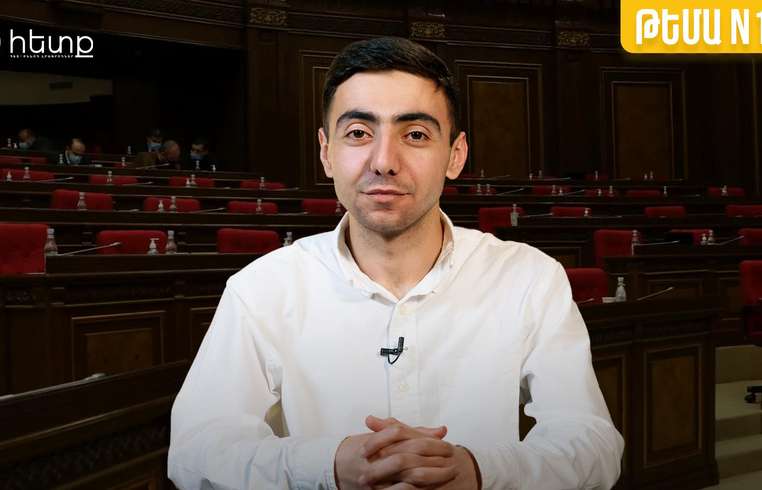
In a defining moment for Armenian democracy, citizens gear up for the pivotal parliamentary elections scheduled for June 7th. This election is a significant test of the country's political climate and stability, following recent amendments to the Electoral Code. Under the newly established system, all elections are conducted proportionally, opening the door for a diverse array of political parties and alliances. The political landscape right now in Armenia is highly dynamic, with established parties facing challenges from newly formed alliances. These alliances must surpass specific electoral thresholds to secure representation in the National Assembly, setting the stage for intense political campaigns. The threshold for a single party is set at 4%, while alliances must achieve at least 8% if they consist of two or three parties, and 10% if more than three parties are involved. Central issues driving the elections include economic reform, foreign policy priorities, and domestic governance challenges. Armenian citizens are deeply concerned with these themes, reflecting their aspirations for stability and growth after years of political turbulence. Analysts suggest these elections could pave the way for significant policy changes depending on which factions emerge strongest. This upcoming election is not just another political contest, but a focal point of democracy and governance for Armenia. With a history of vibrant, sometimes volatile politics, the international community watches closely, concerned about the implications of these local actions for regional security and cooperation. The outcomes will ultimately influence Armenia's future trajectory, affecting both domestic policies and its geopolitical stance. As election day approaches, there is a palpable air of anticipation and tension. Political discourse grows ever more vigorous, with parties rallying to ensure their platforms resonate with an electorate eager for renewal and progress. It's a high-stakes environment where the future of Armenian democracy will be shaped by the voter's voice.
About usyoo

Categories
Tags