News - US-Iran Tensions: Economic Strain and Geopolitical Implications
Business Strategy
US-Iran Tensions: Economic Strain and Geopolitical Implications
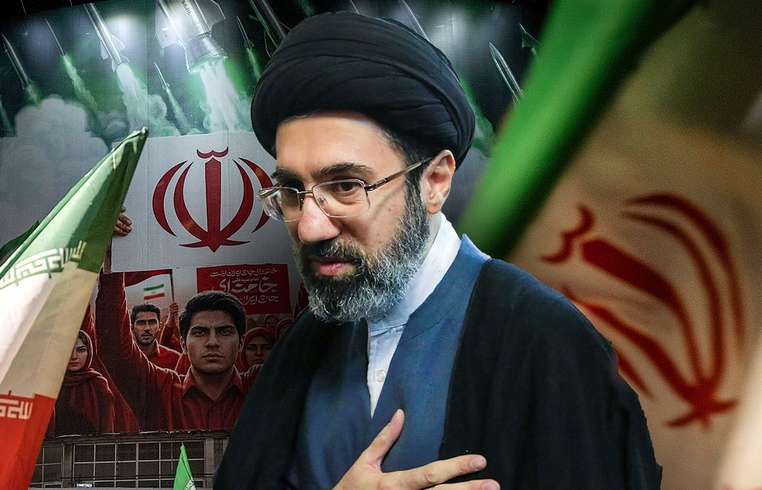
In a pivotal moment that could redefine Middle East geopolitics, the United States has intensified its economic leverage over Iran, reaching what experts are calling a peak in pressure tactics. As the geopolitical chess game unfolds, the impacts are reverberating across global markets and diplomatic corridors worldwide. The current U.S. administration has strategically expanded its sanctions, targeting key sectors of Iran's economy, aiming to curb Tehran's nuclear ambitions and regional influence. This move has strained the Iranian economy further, which has already been reeling under the weight of existing international sanctions and domestic economic mismanagement. President Trump has been in the spotlight, questioned about the potential use of nuclear weapons in the region. While he has not ruled out military options, the focus remains on maximizing economic and diplomatic pressure. The Defense Department is under scrutiny following the mysterious death of a high-ranking scientist, which has raised suspicions and sparked widespread speculation about possible foul play. Amidst these tensions, other stories are capturing public attention. A sonar detection of a massive, fast-moving unidentified object has ignited debates over advanced surveillance and defense technologies. Meanwhile, personal scandals, such as the Patriots coach addressing an affair and leaked photos, and local political battles like Virginia's sharp partisan redistricting, underscore the broader societal tensions. In the educational sphere, shocking allegations against a once-respected teacher for crimes against students have prompted calls for reform and vigilance. Abroad, Iran's economic challenges are compounded by allegations of financial fraud within America, undermining trust and stability. These issues are compelling commentators like David Maimon to voice concerns over the widespread implications of such economic warfare. As media outlets parse through these complex developments, there is a growing call to reassess geopolitical strategies, emphasizing collaboration over confrontation. The shifting realities in U.S.-Iran relations are a testament to the intricate web of modern diplomacy, where economic power and political will are intertwined in an ever-evolving dialogue.
About usyoo

Categories
Tags