News - A new gecko species discovered in Vietnam's karst forests
Business Strategy
A new gecko species discovered in Vietnam's karst forests
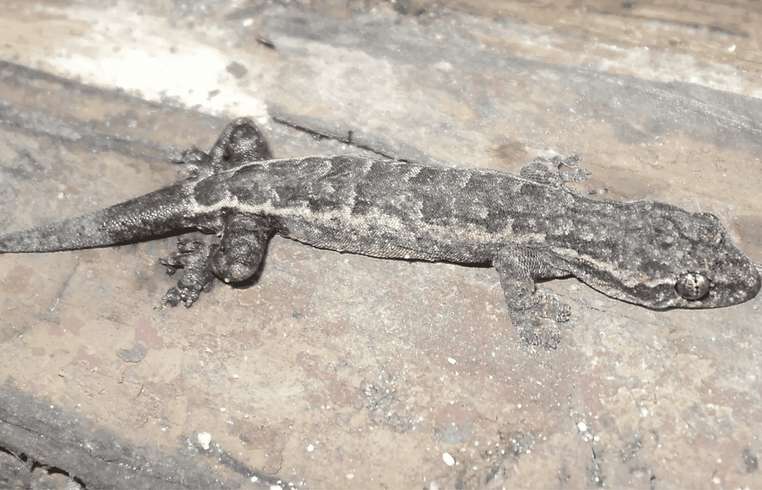
In the untouched wilderness of Vietnam's northern karst forests, scientists have uncovered a remarkable new gecko species, making it the 12th discovered in the country. The discovery of Ziegler's Slender Gecko (Hemiphyllodactylus ziegleri) during detailed surveys in the Son La province's Copia Nature Reserve underscores the immense biodiversity of these often-overlooked landscapes. This latest species adds to the rich tapestry of Vietnam's unique fauna and was named in honor of zoologist Thomas Ziegler from Germany's University of Cologne. The naming sought to recognize Ziegler's exceptional contributions to biodiversity research and conservation initiatives within Vietnam. These diminutive, understated geckos, characterized by their yellowish-grey tones, were spotted clinging to moss-covered limestone cliffs during nighttime surveys—occasionally venturing into human-modified environments such as electric poles in adjacent fields. According to Minh Le of Vietnam National University, a co-author of the study, the finding was exhilarating but not surprising. "Our ongoing research indicates a significant underestimation of diversity within these cryptic gecko populations," Le told Mongabay. "We anticipate uncovering numerous additional species in the foreseeable future." 'Early research labels 'cryptic' species as deceptively similar in appearance. Comprehensive genetic analysis has, however, distinguished this new gecko with a 14% genetic divergence from its closest known relatives. Such differentiation denotes substantial evolutionary differences, highlighting this species as a unique cornerstone of evolutionary biology. On a broader scale, a striking 85% of species within this genus have been introduced to science over the past ten years, illustrating the rapid advancement in this field. Ironically, many of these newly described species exist within habitats already facing significant risks. Currently, scientists recommend classifying Ziegler's Slender Gecko as 'data deficient' on the IUCN Red List. Additional inquiries into human impact are crucial, given its confined distribution across a mere 50 square kilometers (31 square miles). Le emphasized that the biggest menace confronting the gecko is habitat degradation and loss. Vietnam's limestone regions, a reservoir of unique life forms, endure extensive quarrying for cement, frequently forgetting their ecological significance. Yet, progressive research showcases the complex biodiversity and prevalence of endemic and threatened organisms within these terrains. Alarmingly, even within the supposed sanctuary of the Copia Nature Reserve, gecko habitats suffer from road construction and logging activities, heightening concern among conservationists. Le stresses the urgent need for public enlightenment to prevent the irreversible loss of these crucial ecosystems to exploitation. The study's accompanying banner image, captured by Pham A.V. et al (2026), showcases a male Hemiphyllodactylus ziegleri through a Creative Commons Attribution License (CC BY 4.0). This visual representation mirrors the delicate beauty of the creature and the environment conservationists strive to protect.
About usyoo

Categories
Tags