
News - Musicians Urge Eurovision Boycott Over Israeli Participation
Business Strategy
Musicians Urge Eurovision Boycott Over Israeli Participation
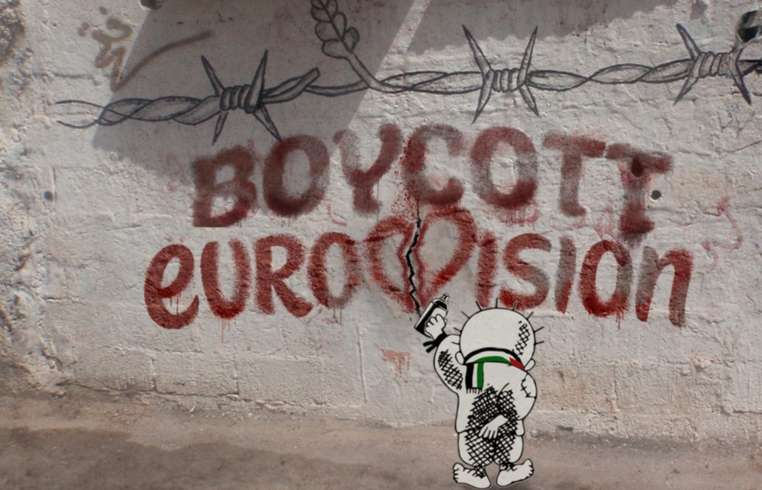
In a bold move, over 1,100 musicians and cultural influencers have come together to call for a boycott of the 2026 Eurovision Song Contest because of its inclusion of Israel. The group, represented by the 'No Music For Genocide' campaign, condemns the event for 'whitewashing' Israel's actions in Gaza and Lebanon, asserting that participating countries have a responsibility to oppose what they consider as support for 'genocide'. This protest has sparked a complex debate about the political undertones of Eurovision, despite its official stance as a non-political event. The annual contest by the European Broadcasting Union consistently attracts millions, but it has also served as a platform for geopolitical and cultural discussions. The signatories, which include well-known artists like Brian Eno, Massive Attack, Sigur Rós, Roger Waters from Pink Floyd, and former Eurovision winners Emmelie de Forest and Charlie McGettigan, aim to use their influence to advance the cultural conversation on a global level. Broadcasters in several countries, such as Spain, Ireland, and Iceland, have shown support for the boycott, threatening to withdraw or already pulling out. In contrast, the UK's BBC and officials such as Germany’s Chancellor Friedrich Merz oppose the idea, emphasizing the political implications of excluding Israel. One of the campaign's main arguments points out Eurovision's double standards, noting the indefinite ban of Russia following the Ukraine conflict in 2022 while allowing Israel to continue participating. This underscores broader issues of perceived bias and the politicization of music and culture worldwide. Eurovision has historically been accused of being a platform for political displays and cultural bias, often sparking debates on sexual freedom and diversity, especially after the victory of Austrian drag artist Conchita Wurst in 2014. The cultural and political dimensions of the contest continue to drive discussions on the role and responsibility of international cultural events in political contexts.
About usyoo

Categories
Tags