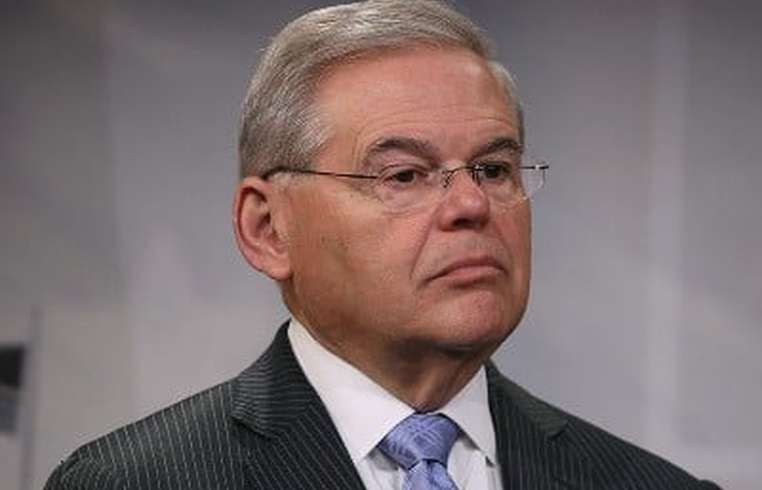

News - Sotomayor Expresses Regret for Misguided Comments on Kavanaugh
Business Strategy
Sotomayor Expresses Regret for Misguided Comments on Kavanaugh
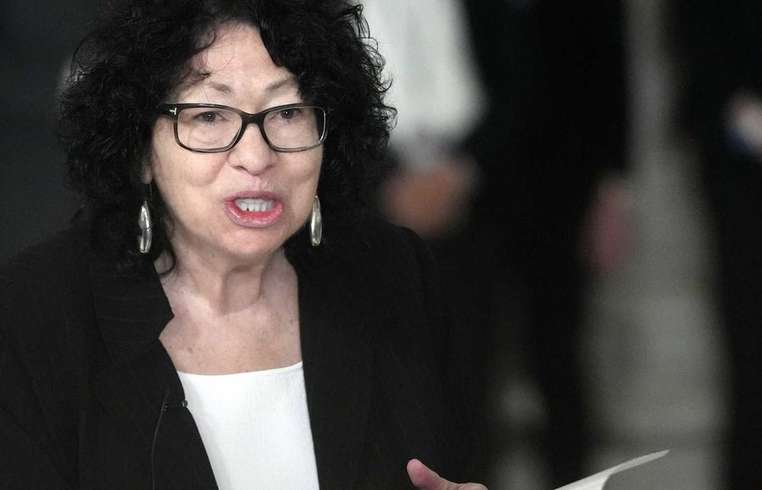
In a surprising turn of events, Supreme Court Justice Sonia Sotomayor has extended an apology to fellow Justice Brett Kavanaugh following controversial remarks made during an event at the University of Kansas School of Law. Sotomayor, recognized for her liberal stance, implied that Kavanaugh might be disconnected from the reality of hourly workers' challenges due to his privileged upbringing. Without directly naming Kavanaugh, Sotomayor's comments were directed at a justice who sided with the Trump administration in an immigration-related case. During the discussion, she highlighted what she perceived as Kavanaugh's insufficient comprehension of the financial impact faced by hourly earners subjected to 'relatively brief' federal immigration stops, as outlined in his concurrence on the case. Her pointed observation suggested Kavanaugh may not fully appreciate the serious economic implications that even short-term detentions pose for workers who live paycheck to paycheck. She emphasized the potential hardship, stating, 'Those hours that they took you away, nobody’s paying that person,' and noted the real-life consequences, such as missing a meal or affording just a cold supper for their families. In a broader critique, Sotomayor also voiced concerns over the court's utilization of the 'shadow docket,' an expedited procedure, to uphold policies favored by the Trump administration. She asserted that such decisions could have profound and immediate effects on broader populations. The backlash from her statement was swift, prompting an introspective response. 'I regret my hurtful comments. I have apologized to my colleague,' Sotomayor admitted, acknowledging the inappropriateness of her words. The incident echoes past controversies surrounding Sotomayor, including allegations in 2023 that she allegedly pressured public institutions into purchasing her books as a prerequisite for speaking engagements. Despite these challenges, her nomination to the Supreme Court by President Obama in 2009 has been a significant milestone in her career, paralleling Kavanaugh's nomination by President Trump in 2018. As the discourse continues, this incident has ignited broader discussions on the perspectives and responsibilities of those in judicial positions, especially concerning their understanding of societal and economic dynamics.
About usyoo

Categories
Tags