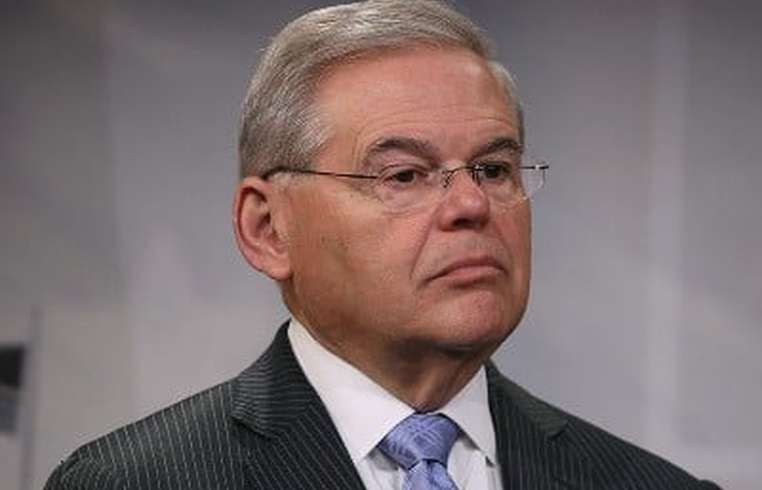

News - The Supreme Court has postponed its decision on a critical voting rights case.
Business Strategy
The Supreme Court has postponed its decision on a critical voting rights case.
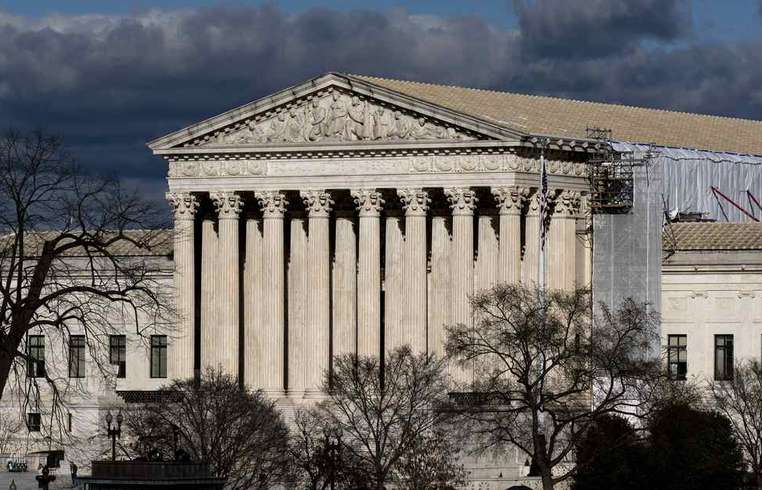
The looming decision in the Supreme Court case of Louisiana v. Callais, which could significantly weaken the Voting Rights Act, has yet to be announced. The case's outcome holds potentially monumental repercussions for Democratic representation across the South. Speculation swirls as insiders suggest the decision has been finalized, but dissenting justices may be intentionally stalling its release to delay immediate redistricting efforts. This strategic delay reflects the high-stakes political battle over the voting rights landscape in America. Many predict that a ruling against the Voting Rights Act could pave the way for Republicans to gain unprecedented control, impacting future elections far beyond Louisiana. The potential for altering district lines in light of this decision also raises the stakes, with Democrats fearing a substantial political disadvantage if timely redistricting is accomplished. Statements from former White House Press Secretary Sean Spicer, citing reliable sources, imply that the decision has been made, but efforts are underway to slow the release of the dissenting opinions. This delay tactic is seen as a way to hinder immediate changes that could dramatically shift the political power balance. As the nation awaits a decision, the case challenges the constitutionality of creating a majority-minority congressional district in terms of the 14th and 15th amendments, sparking fierce debate among lawmakers and analysts alike. Both parties remain poised for potential shifts in strategies depending on the ruling's implications, underscoring the decision's critical importance to the political future of the United States.
About usyoo

Categories
Tags