

News - A Viking-Era coin featuring John the Baptist presents a historical puzzle.
Business Strategy
A Viking-Era coin featuring John the Baptist presents a historical puzzle.
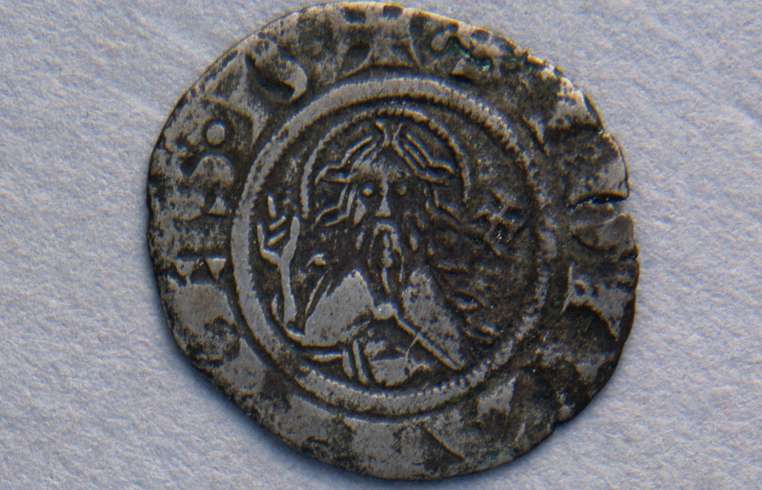
In a remarkable discovery near the University of Cambridge, a metal detectorist unearthed a ninth-century gold coin pendant with an astonishing depiction of John the Baptist. Despite being minted during the Viking control of East Anglia, when paganism was prevalent among Scandinavians, the inclusion of a Christian figure like John the Baptist on the pendant is bewildering and raises intriguing questions about historical connections between Vikings and early Christianity. The metal detectorist's find has been described as 'fascinating, unique, and intriguing' by Simon Coupland, a numismatist, who offers insights into the pendant's historical context. The coin's Latin inscription, translating to 'John, Baptist and Evangelist,' is atypical for the era, which traditionally featured kings on coins, not biblical figures. This anomaly suggests possible overlaps or influences not previously recognized in historical narratives. The Great Heathen Army's invasion of England in the 870s, aligning with the coin's minting timeframe, adds another layer of historical enigma. Not just a numismatic curiosity, this discovery could reshape our understanding of Viking history and their interaction with Christian traditions. As the coin undergoes a legal treasure evaluation process per The Treasure Act 1996, efforts are underway by the Norwich Castle Museum to secure it for their collection, hoping further study could unlock historical secrets embedded within this solitary gold piece.
About usyoo

Categories
Tags