News - Global markets are rallying due to renewed diplomatic hopes.
Business Strategy
Global markets are rallying due to renewed diplomatic hopes.
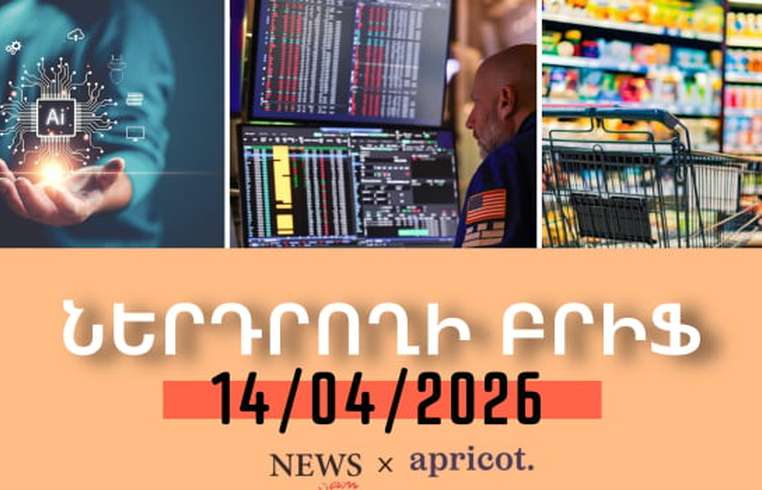
In a week marked by international diplomacy and economic shifts, global stock markets experienced significant growth, fueled by optimism surrounding U.S.-Iran negotiations. The S&P 500 posted a notable increase of 3.36%, the Nasdaq surged 4.44%, and the Dow Jones advanced by 2.96%. These gains mirrored the positive sentiment across European markets, where the STOXX 600 index rose approximately 3% driven by the potential for Middle Eastern peace. Investor confidence was evident as global equity funds saw substantial inflows, with U.S. funds attracting $9.76 billion, European investments drawing $9.1 billion, and Asian funds collecting $2 billion. However, the energy sector faced volatility, as Brent crude oil prices plummeted by 12.7%, trading at $95.20 per barrel, marking a significant downturn from recent highs. Tech markets in the U.S. faced challenges despite the overall market rally. Some sectors, like software and services, showed resilience with the S&P 500 Software and Services index climbing 25.5%. Meanwhile, major tech companies presented mixed performances; notably, stocks such as Anthropic and Cloudflare experienced fluctuations influenced by technological innovations and investor sentiments. Standout performers included Avis Budget Group, Inc. (CAR), Applied Optoelectronics, Inc. (AAOI), and Nebius Group N.V. (NBIS), with impressive gains of 41.08%, 40.16%, and 28.82%, respectively, demonstrating robust growth against the backdrop of fluctuating market conditions. Despite the positive trends, consumer confidence in the U.S. dipped to new lows, reflecting concerns about inflation and economic stability. The University of Michigan's consumer sentiment index fell, indicating growing apprehension among consumers amid rising oil prices and inflation pressures. Furthermore, the labor market showed resilience, maintaining stability despite geopolitical uncertainties. Job growth remained steady, with unemployment claims slightly decreasing, indicating underlying economic strength. Yet, tensions persist with potential geopolitical disruptions, keeping investors cautious as they navigate the volatile landscape. Apricot Capital's Middle Eastern strategies underscore the ongoing economic realignments in response to these global developments. With dynamic shifts in market sentiment, stakeholders continue to monitor the impacts of diplomatic negotiations and energy market roles, affecting both short-term investments and long-term market predictions.
About usyoo

Categories
Tags