News - Weather Shift in Armenia: Unusual Temperature Patterns
Business Strategy
Weather Shift in Armenia: Unusual Temperature Patterns
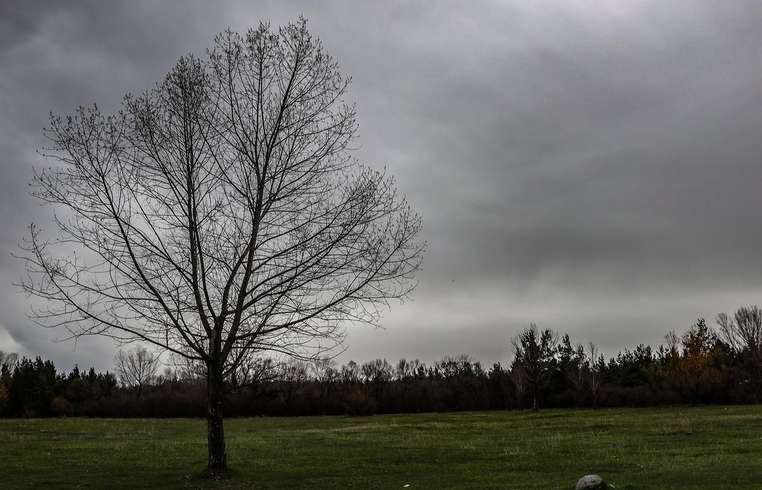
Recent meteorological observations have indicated a significant shift in weather patterns across Armenia. The past weeks have seen a mix of unexpected warm spells and sharp cold snaps, leaving residents and experts alike pondering the implications of these fluctuations. Temperature readings from April 13-18 have reported anomalies, particularly in northern regions where temperatures typically more stable this time of year have shown a surprising variability. Meteorological findings suggest that regions such as Tavush and Lori experienced unseasonal temperatures with significant daily variations, shifting rapidly from mild daytimes to chillier nights. This erratic weather is attributed to a complex interaction between various atmospheric pressure systems affecting the region. There have been instances of the mercury touching as low as 2-5°C during early mornings, especially notable around the mid-month stretch, often considered a tipping point for spring arrivals. Concurrently, southern zones like Ararat and Armavir noted warmer temperatures ranging between 9-13°C, elevating the overall warmth. Adventurous weather observers are keenly following this pattern as it defies the regular spring narrative of steady warming, posing a myriad of considerations for agricultural planning and traditional livelihoods reliant on predictable seasonal changes. Such unexpected weather phenomena prompt an urgent call for stakeholders to adapt strategies and remain informed. The country's central region, including the capital Yerevan, witnessed high variability as well, with daily highs oscillating radically, making it imperative for residents to adjust daily routines. Meteorologists emphasize vigilance in weather monitoring and advocate for awareness campaigns to ensure communities can adequately respond to these shifts. Experts are attributing these unpredictable conditions to global climatic trends, factoring in broader influences that transcend usual seasonal expectations. With climate patterns becoming increasingly unpredictable globally, Armenia's case serves as a prescient example of how localized impact can manifest amid broader ecological paradigms.
About usyoo

Categories
Tags