
News - Peter Magyar's Triumph: A New Era for Hungary
Business Strategy
Peter Magyar's Triumph: A New Era for Hungary
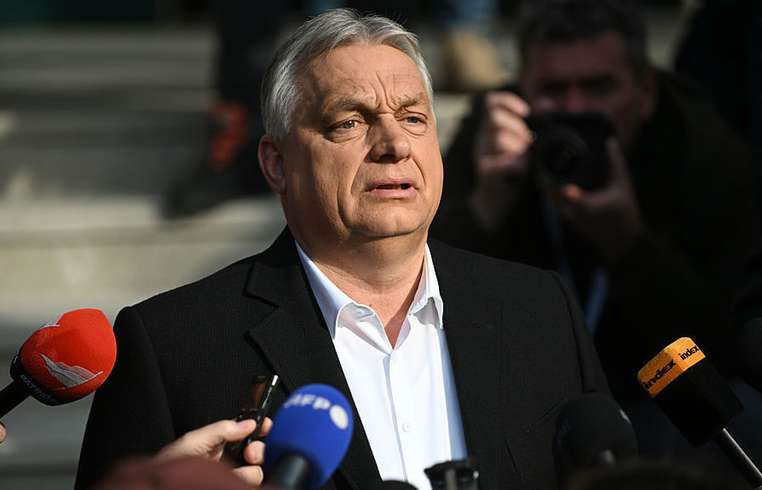
In a breathtaking political shift, Hungary's opposition leader Peter Magyar has secured a significant victory over incumbent Prime Minister Viktor Orban, with Magyar's Tisza party surpassing Orban's Fidesz by a substantial margin of more than 16 points. This electoral outcome signals a potential transformation in Hungary's domestic policies and diplomatic relations, notably with the European Union, Russia, and Ukraine. The significant win was confirmed shortly after polls closed on Sunday, as Orban courteously conceded defeat to Magyar. With a near-complete count of votes showing Tisza leading with 53.72%, and Fidesz trailing at 37.67%, Magyar's victory was in line with predictions from opposition-leaning pre-election surveys. Throughout his campaign, Magyar pledged to combat corruption, boost public services, and mend relations with the EU. Meanwhile, Orban campaigned on his track record of tax incentives for individuals and corporate levies, with a commitment to keep Hungary neutral in the ongoing Russian-Ukrainian conflict. The Fidesz campaign portrayed Magyar as a figure aligned with Brussels, suggesting he would jeopardize Hungary's access to affordable Russian energy and support EU policies perceived as confrontational toward Russia. The election saw a historic voter turnout of 77.8%, the highest in Hungarian electoral history, underlining the democratic legitimacy of the incoming National Assembly. "The heightened voter participation underscores a stronger democratic mandate moving forward," remarked Gergely Gulyas, Minister of the Prime Minister's Office. Addressing his supporters in Budapest, Orban reflected philosophically, "What the future holds for our country and nation, only time will tell, but regardless of the outcome, we will dutifully serve Hungary as a steadfast opposition." As political analysts ponder the implications of Magyar's triumph, questions abound about the future of Hungary's international alignment and internal reform initiatives.
About usyoo

Categories
Tags