
News - A new leadership emerges in Hungary following a landmark election.
Business Strategy
A new leadership emerges in Hungary following a landmark election.
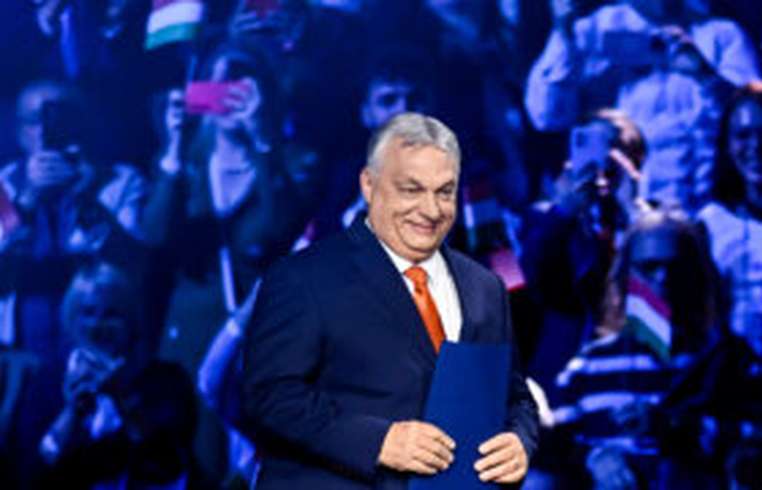
In a significant shift in Hungary's political landscape, a new party has emerged victorious in the recent national elections, marking the end of Viktor Orban's 16-year tenure as Prime Minister. The election, closely watched both domestically and internationally, concluded with Orban graciously conceding defeat to the opposition. The announcement came on a crisp autumn evening in Budapest, as Orban addressed a crowd of loyal supporters. Standing on a stage adorned with national flags, he acknowledged the win of the opposing party and conveyed his intentions to continue serving the nation from the benches of the opposition. Orban's long-standing tenure has been marked by a blend of controversy and acclaim. Known for his nationalistic and often contentious policies, his leadership has shaped Hungary's political and social frameworks significantly over the past decade and a half. The election saw active participation from Hungary’s diverse populace, eager for political change. The victory of the opposition indicates a potential shift in Hungary's approach to both domestic and foreign policies. Analysts suggest that this new leadership could pave the way for significant reforms, impacting areas such as foreign relations, economic strategies, and national governance. Supporters of the victorious party celebrated in the streets of Budapest, expressing hope and optimism toward a new era of leadership. This peaceful transition underscores Hungary's democratic resilience and the potential for political renewal within the framework of established institutions. Looking ahead, the new government will face immediate challenges, including bridging polarizations and promoting unity in a divided political landscape. As the world watches closely, Hungary stands at a pivotal moment, embarking on a path filled with both promise and expectations for a forward-looking governance model.
About usyoo

Categories
Tags