News - Hungary's Prime Minister Orban Steps Down After Election Loss
Business Strategy
Hungary's Prime Minister Orban Steps Down After Election Loss
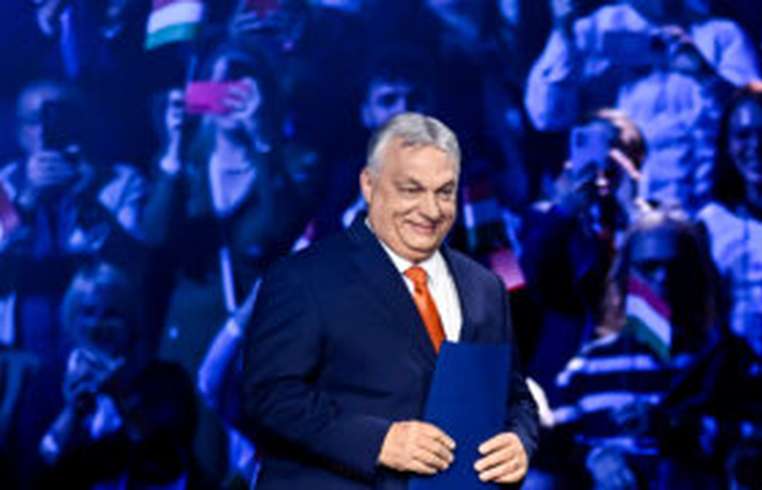
In a significant political shift, Viktor Orban, Hungary's long-standing Prime Minister, has conceded defeat after serving for 16 years. This major decision follows Sunday's election results which marked the end of an era for Orban's leadership. Addressing a crowd of supporters from Budapest, Orban announced his concession and offered congratulations to the winning party. "I congratulated the victorious party," he commented, demonstrating a sense of sportsmanship and commitment to democratic principles. Despite the loss, Orban expressed his determination to continue his service to Hungary, albeit from the opposition. Orban's reign was characterized by his nationalistic policies and strong stance on immigration, which often drew both domestic and international attention. His party heavily dominated the political scene in Hungary, becoming a formidable force with policies that often sparked divisive opinion. The mood among Orban’s supporters in Budapest was mixed, with many expressing disappointment but also gratitude for the achievements during his tenure. Looking ahead, Orban vowed to strategize from the opposition side, promising continued dedication to Hungarian citizens and safeguarding national interests. This latest development prompts new conversations about the future of Hungary under new leadership, and what this transition means for the country's role within the European Union. Political analysts are keenly observing how the newly elected party will address pressing issues and how they intend to steer Hungary moving forward. As Hungary transitions into a new phase in its political landscape, the impact of Orban's policies will undoubtedly linger, continuing to influence debates and decisions. The new leadership is being scrutinized for their plans to potentially shift strategies or maintain some of Orban's approaches. Overall, this electoral change signals a new chapter for Hungary, with anticipation building around the incoming party's agenda. Stakeholders both within and beyond Hungary are poised to see how this shift in power will shape the country's future trajectory in the coming years.
About usyoo

Categories
Tags