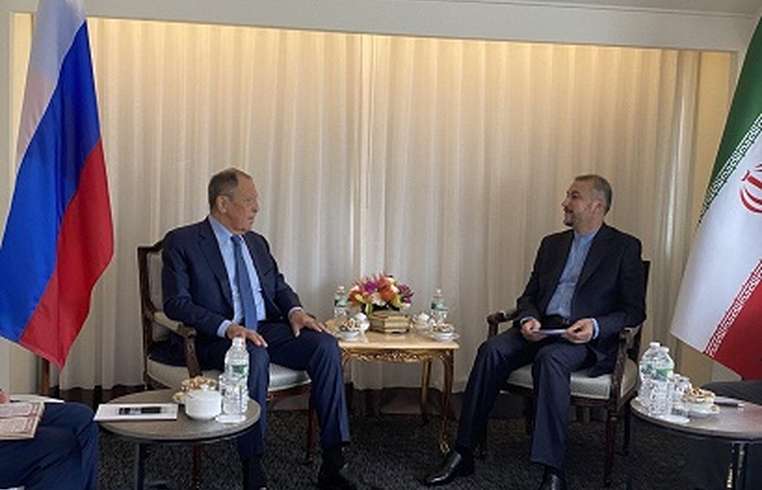
News - US-Iran negotiations have collapsed following talks in Islamabad.
Business Strategy
US-Iran negotiations have collapsed following talks in Islamabad.
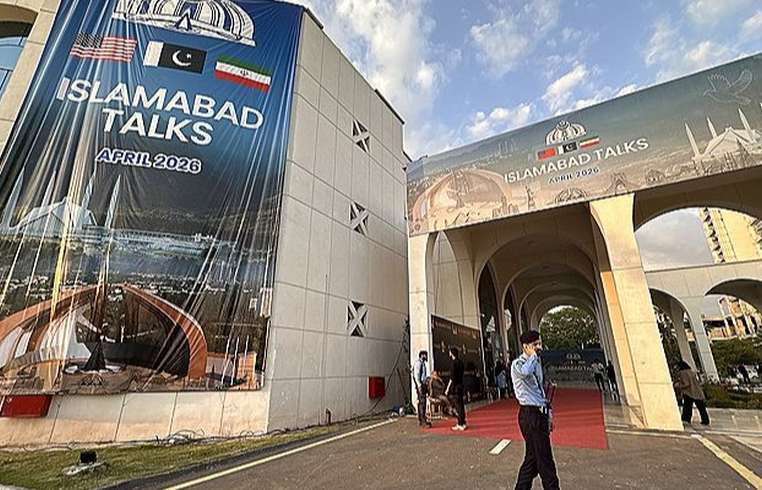
Following intensive 21-hour deliberations in Islamabad, United States and Iran talks have ended without reaching agreement. The lengthy negotiations were centered on three critical areas: Iran's control over the Strait of Hormuz, its nuclear program, and a ceasefire in Lebanon. Despite some progress reported by the Iranian Foreign Ministry, the core issues remained unresolved, stoking fears of a renewal of tensions in the region. The strategic Strait of Hormuz was a focal point of contention, underscored by its vital role in global oil shipments. The U.S. demands for free passage and security assurances were met with firm Iranian resistance, viewing these as non-negotiable territorial matters. Alongside, Iran's advancements in its nuclear capabilities posed significant diplomatic hurdles. While Tehran insists on peaceful energy outputs, international observers remain skeptical about potential weapons development. Compounding these tensions, the unresolved ceasefire in Lebanon adds another layer of complexity, posing immediate risks to Middle Eastern stability. Both nations find themselves at an impasse, with lingering mistrust hampering diplomatic outcomes. This deadlock could precipitously impact global economic markets due to potential disruptions in oil supply and escalating geopolitical risks. Historically, U.S.-Iran relations have been fraught with diplomacy and sporadic conflict. Following today’s failure, the world watches anxiously as strategic decisions are weighed, including possible maritime actions by the U.S., against an emboldened post-conflict Iran. This region, crucial to global energy resources, now stands at a precarious crossroad of peace and confrontation.
About usyoo

Categories
Tags