News - Iran's Role in Armenian Trade under Threat
Business Strategy
Iran's Role in Armenian Trade under Threat
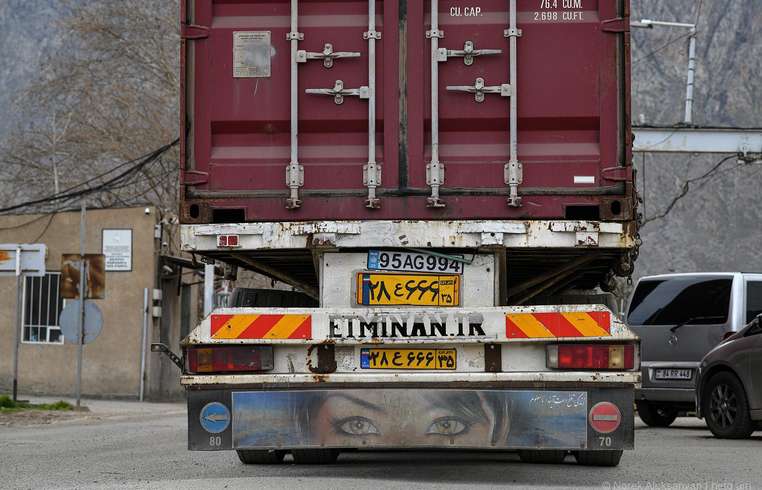
Iran holds a pivotal role in Armenia's trade as it serves as a major transit hub for the country. The recent geopolitical tensions in Iran have raised concerns about the potential impact on Armenia's trade and economy. Notably, a large part of Armenia's external trade is facilitated through Iran, with the Meghri border being a critical link for imports and exports. A recent analysis by ACSES explored the implications of possible military actions or disruptions in Iranian transport infrastructure on Armenia's trade flows. In 2025, Armenian imports via the Meghri border amounted to an impressive 13 billion USD, with a noteworthy portion of goods coming from Iran and China. These imports largely consist of essential commodities like gas, iron rods, and vehicles, which are fundamental for Armenia's industrial and economic activities. Furthermore, exports through this channel also play a significant role, contributing to 6% of the nation's total exports. Primary items include cigarettes and electricity, particularly to destinations such as Iraq and the UAE. The critical nature of this route highlights the potential economic risks should there be any disturbances in Iran. Potential disruptions could compel Armenia to explore alternative trade routes, possibly involving alliances with neighboring countries or leveraging existing agreements with other regions. This situation underscores the intricate link between regional politics and trade, with Armenia carefully monitoring developments that could influence its trade network and economic stability. The broader geopolitical landscape may require strategic adjustments to maintain trade continuity and economic resilience. As the situation develops, Armenia may need to employ diplomatic and economic measures to safeguard its interests, ensuring the flow of goods remains uninterrupted despite regional uncertainties.
About usyoo

Categories
Tags