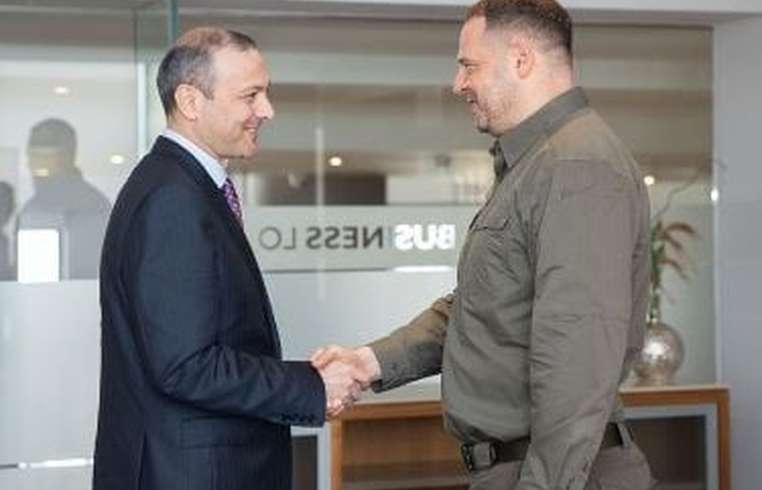

News - Easter Truce: Russia and Ukraine Consider Ceasefire
Business Strategy
Easter Truce: Russia and Ukraine Consider Ceasefire
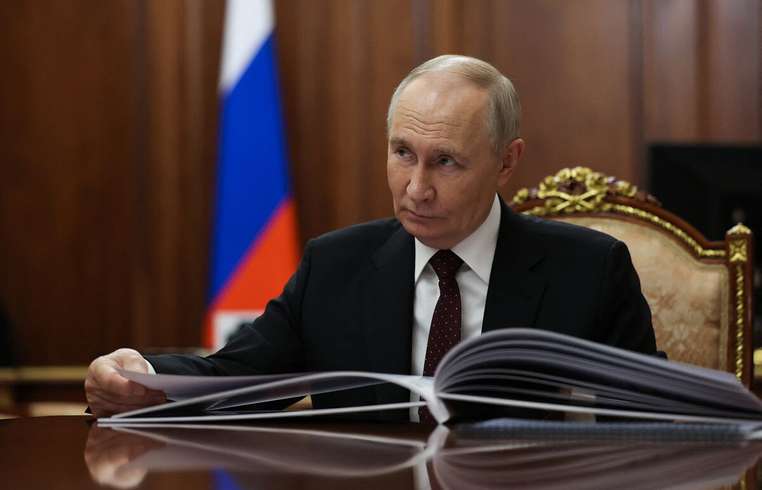
In a significant move to acknowledge the Orthodox Easter celebrations, President Vladimir Putin has declared a temporary ceasefire to be observed by the Russian forces. The truce, scheduled to start at 4 p.m. on Saturday and lasting through Sunday, aims to pause combat operations across all fronts. The announcement from the Kremlin highlights a rare moment of potential respite amid ongoing tensions in the region. Russian military forces have been instructed to adhere to this ceasefire, allowing for a period of peace in observance of the holiday. The declaration places the onus on Ukraine to respond in kind, with Ukrainian President Volodymyr Zelenskiy confirming that Kyiv intends to 'mirror' Russia’s actions. This decision brings the international community's attention to whether the heavily-armed battlegrounds will experience an authentic halt in aggression. These actions underscore the symbolic significance of the Easter ceasefire within the context of an otherwise volatile geopolitical landscape. Both nations face pressure to uphold this temporary truce, providing a brief interval of quiet that could serve as a foundation for future peace talks. Yet, the feasibility of such a ceasefire is contingent on both parties effectively communicating with and commanding their respective military units to stand down. The international reaction to this ceasefire call has been cautiously optimistic, with hopes that this pause could create the momentum necessary for sustained dialogue. Observers are keenly watching to verify if the ceasefire holds, marking a pivotal moment that might lead to larger discussions aimed at long-term conflict resolution.
About usyoo

Categories
Tags