

News - Government Session of Armenia on Strategic Reforms
Business Strategy
Government Session of Armenia on Strategic Reforms
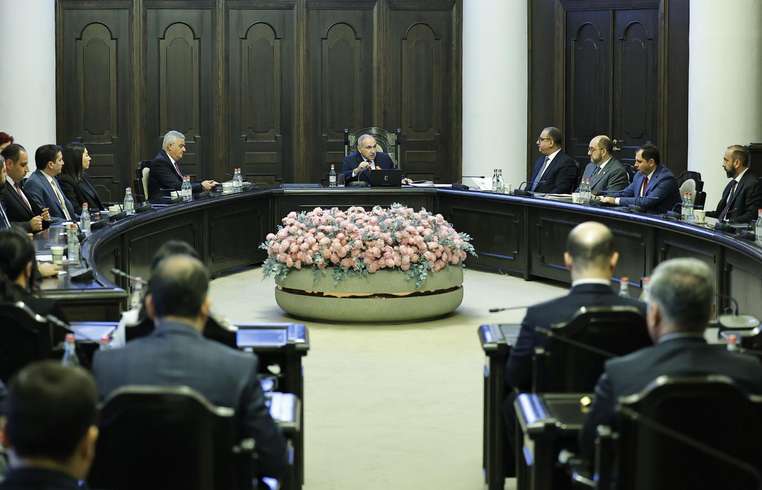
On April 9th, 2026, under the leadership of Prime Minister Nikol Pashinyan, the Armenian government convened to strategize significant national reforms. The live-broadcast session covered various pivotal discussions, reflecting upon ongoing developmental policies and tackling current socio-economic challenges facing the country. Beginning the session, Prime Minister Pashinyan outlined the primary agenda, emphasizing the importance of innovative approaches to economic growth and sustainability. Key topics included national infrastructure improvements, digital transformation, and initiatives aimed at boosting local industries. Infrastructure Development The government's focus on modernizing Armenia's infrastructure was highlighted as a top priority. Plans were laid out to upgrade transportation networks, enhance energy systems, and develop smart urban solutions. These initiatives are expected to not only improve daily life for citizens but also attract foreign investment and stimulate economic growth. Digital Transformation Digitalization in public services was another significant topic. The government discussed plans to implement advanced technologies within public sectors, aiming at increasing efficiency and transparency. By investing in digital platforms, Armenia seeks to foster a more accessible and accountable government-citizen relationship. Empowering Local Industries The session also addressed strategies for empowering local businesses through supportive policies and incentives. Emphasis was placed on innovation and entrepreneurship, encouraging startups and SMEs to play a vital role in diversifying the national economy. Socio-Economic Challenges Addressing socio-economic disparities was deemed critical. Dialogue focused on reducing unemployment and poverty levels, improving education and healthcare access, and promoting inclusive development. The comprehensive discussions underscored the government's commitment to driving Armenia forward through collaborative and forward-thinking policies. The session concluded with a call to action for continued public engagement and feedback to ensure these strategic reforms align effectively with the needs and aspirations of the Armenian populace.
About usyoo

Categories
Tags