News - Reproduction in Space: The Essential Role of Gravity in Sperm Navigation
Business Strategy
Reproduction in Space: The Essential Role of Gravity in Sperm Navigation
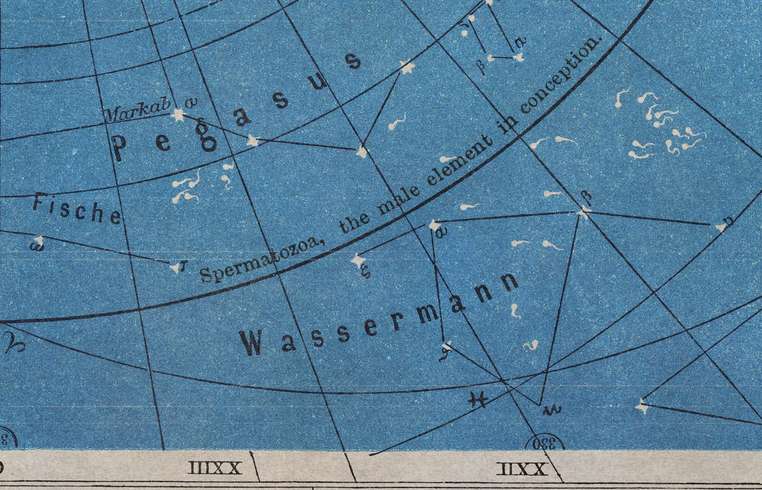
Space exploration might present a new challenge as scientists discover the significant impact of gravity on sperm navigation, a factor that could complicate human colonization beyond Earth. The study, carried out at Adelaide University's Robinson Research Institute and published in Communications Biology, found that sperm's ability to locate and fertilize an egg is notably disrupted in microgravity environments. Navigating the Microgravity Maze Using a unique microgravity simulation chamber, scientists studied the navigation abilities of human, pig, and mouse sperm, finding that the reduced gravitational pull impaired their directional navigation and fertilization capacity. This research provides the first significant evidence that gravity plays an essential role in a sperm's ability to navigate, similar to within the female reproductive tract. The experiment highlighted a stark contrast in sperm navigation success under microgravity compared to normal Earth conditions. Nicole McPherson, a senior lecturer and lead author, observed that the loss of direction wasn't due to a change in motility but was apparent across all species tested. Under simulated space conditions, the success rate of human sperm fell to less than 20%, compared to about 50% on Earth. The Role of Chemical Signals Interestingly, progesterone, a hormone released around ovulation, showed potential as a navigation aid, acting like a chemical homing signal. However, its effectiveness required higher concentrations than those occurring naturally, indicating it's not a straightforward solution for fertility in space. Implications for Human Colonization As humanity considers establishing bases on the moon and colonies on Mars, understanding the effects of gravity on human reproduction becomes increasingly important. Historically, the physiological changes due to microgravity have been studied extensively, though reproductive capabilities remained largely unexplored until now. Overcoming the Challenges Despite the potential for sperm to become 'lost in space,' the study offers optimism by indicating that healthy embryos can still develop under these conditions. The next step for researchers is to explore how different gravitational environments, like those expected on the moon and Mars, affect both sperm navigation and early embryo development. This groundbreaking research could be crucial for future spacefarers, who, despite current claims by NASA and other agencies that no sexual activity has occurred in space, may one day consider starting families as part of extraterrestrial missions.
About usyoo

Categories
Tags