
News - Kremlin Tightens Grip on Western Academic Institutions
Business Strategy
Kremlin Tightens Grip on Western Academic Institutions
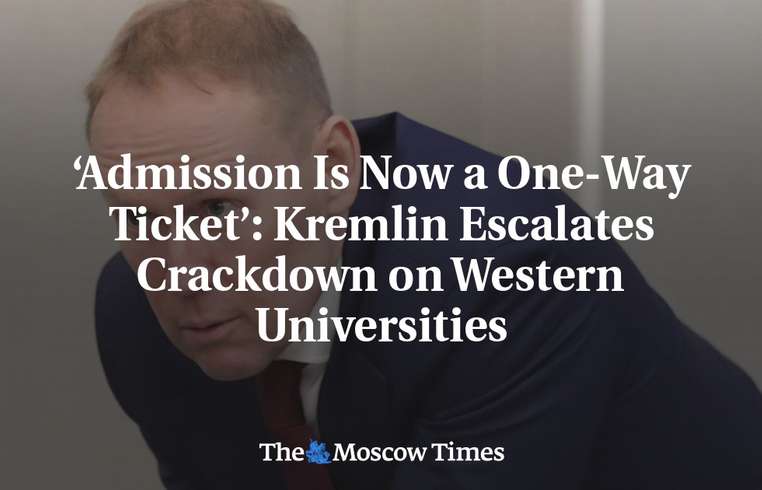
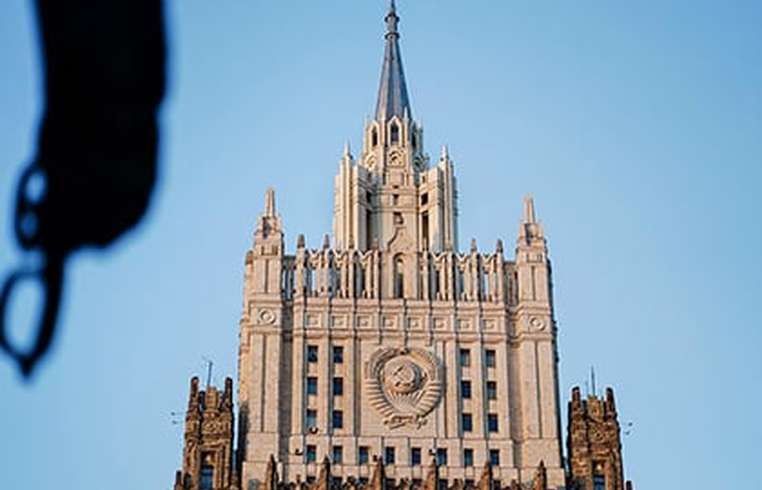
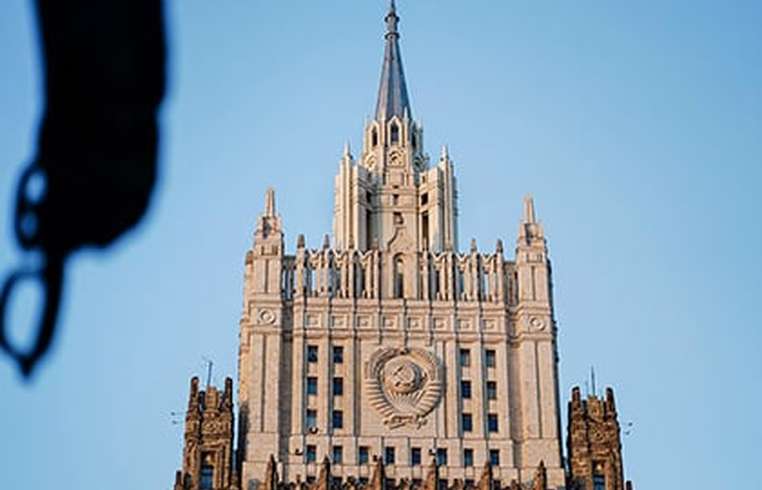
In a recent series of actions that underscore the Kremlin's increasing control over educational narratives, Russia has escalated its restrictions on Western universities operating within its borders. The Russian government's latest move designates many of these institutions as 'undesirable,' effectively criminalizing collaborations and partnerships that once flourished between Russian students and Western academic bodies. This development comes against the backdrop of a broader crackdown on foreign influence, framing these educational links as threats to national sovereignty. Officials argue that such institutions serve as conduits for foreign propaganda and undermine the authority of Russian educational directives. The tightening of regulations has begun to manifest in various forms, including the denial of visas for visiting lecturers, increased scrutiny of curricular content, and financial obstacles for institutions with foreign affiliations. Russian students who aspire to study abroad are finding their options severely limited, with state-funded scholarships for overseas education being drastically cut. In response, many Western universities are reevaluating their engagements with Russian counterparts. Some institutions are seeking to adapt by shifting to virtual platforms to continue academic exchanges, while others are pausing their programs indefinitely. Meanwhile, students, professors, and educational leaders on both sides express concern over the long-term impact this could have on scholarly collaboration and cross-cultural understanding. These measures highlight the growing divide between Russia's educational policy and global academic standards. Despite governmental assertions of sovereignty and control, many fear these moves will isolate Russian students and scholars from the valuable global perspectives and opportunities that were once considered a hallmark of a comprehensive education. With educational freedoms under siege, the global academic community faces the challenge of finding new pathways to ensure the continuity of knowledge exchange and uphold the principles of open inquiry and intellectual exploration.
About usyoo

Categories
Tags