
News - Controversial Amendments Stir Armenian Political Debate
Business Strategy
Controversial Amendments Stir Armenian Political Debate
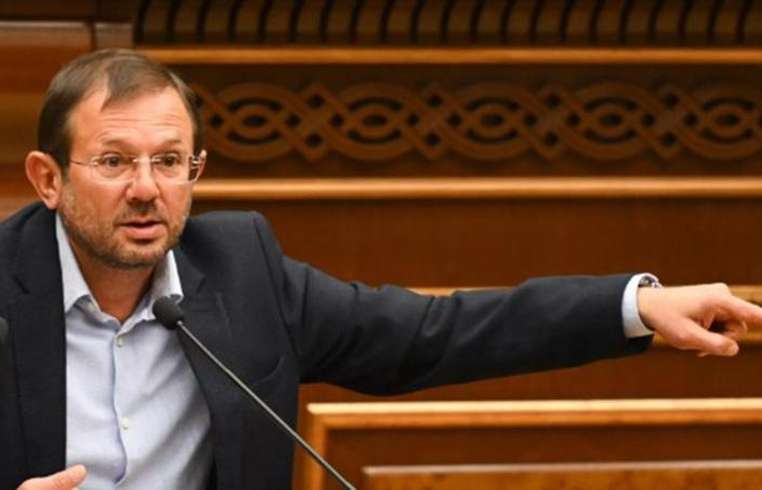
In a heated political climate, Armenia's National Assembly is facing significant turmoil as proposed amendments to the Electoral Code ignite fervent discussions and protests. On April 7th, opposition politician Gegham Manukyan vocally opposed the amendments during a session of the National Assembly. These amendments, proposed by the ruling Civil Contract party, are perceived by the opposition as undermining democratic standards by introducing changes to electoral regulations mere weeks before the scheduled elections in June. The amendments propose critical changes to the electoral procedures, with specific restrictions on political parties using personal names and stipulating that AI-generated content must be distinctly labeled during elections. Manukyan, representing the opposition, ardently criticized the urgency and timing of the proposal, arguing that such last-minute changes are antithetical to international standards and fair electoral practices. The Civil Contract party, led by Prime Minister Nikol Pashinyan, insists on the necessity of these amendments, framing them as vital to enhancing electoral transparency and integrity. MP Arusyak Julhakyan highlighted that the proposed changes were catalyzed by recent concerns, although the details behind this urgency remain obscure to the public and opposition members. Supporters of the amendments, primarily from the Civil Contract party, argue that these adjustments are essential to prevent electoral manipulation and misinformation, especially with the surge of AI-generated content in political campaigns. However, opposition figures claim that these changes are strategically timed to disadvantage non-ruling parties, limiting their campaign strategies and potentially altering the electoral landscape to favor the ruling party. The proposed changes have sparked widespread debate across Armenia, with legal experts, international observers, and civil society organizations weighing in on the implications for the upcoming elections. The controversy underscores broader tensions in Armenian politics, where issues of electoral fairness, democratic integrity, and political power continue to be fiercely contested. As the National Assembly considers the amendments, public demonstrations and media coverage increase, reflecting a growing concern among citizens about the future of Armenian democracy. This legislative battle not only tests the resilience of Armenia's democratic institutions but also highlights the critical role of civil discourse and public engagement in shaping the nation's political path. With the election looming, the outcome of this legislative proposal and its impact on Armenia's electoral integrity remain subjects of intense scrutiny, raising questions about the balance between necessary electoral reforms and maintaining the democratic principles that underpin free and fair elections.
About usyoo

Categories
Tags