News - California's Healthcare Program Under Financial Scrutiny
Business Strategy
California's Healthcare Program Under Financial Scrutiny
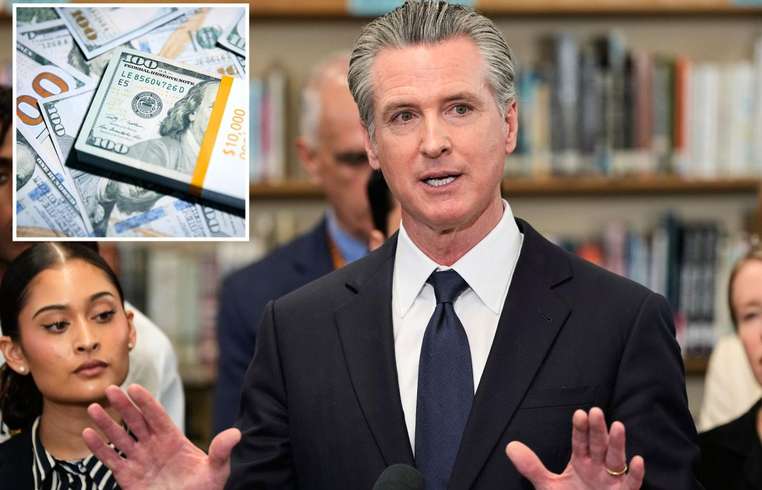
In recent years, California's Subsequent Injuries Benefits Trust Fund has become a focal point of financial concern. Designed to extend additional aid to workers already receiving standard compensation due to subsequent injuries, this program is now mired in controversy over ballooning costs. Governor Gavin Newsom and state lawmakers face mounting pressure to initiate reforms as the financial burden on employers weighs heavily on the state. The fund, originating in the 1940s to support World War II veterans, provides workers suffering from disabilities induced by workplace incidents additional benefits. However, its reach has vastly expanded, especially following the pivotal Todd v. AIBTF ruling in 2020. This federal court decision mandated a broader interpretation of disability claims, contributing to burgeoning costs and increased claims. Currently, employees can claim up to $1,700 per week for various conditions such as sexual dysfunction, allergies, and chronic ailments typically associated with aging. An audit highlighted significant costs due to these generous payouts, raising suspicions about the fund's management and prompting calls for change. The stakes are high, with the Legislative Analyst's Office projecting possible liabilities exceeding $20 billion in the foreseeable future if current trends continue. A notable example included a California prison guard, eligible for lifetime benefits after substantiating non-severe conditions alongside his main compensation for spinal issues. Critics highlight that many awardees have received a 100% disability rating, granting them lifetime benefits based on pre-existing conditions rather than acute workplace injuries. This contrasts sharply with initial intentions of the fund. Counties like Los Angeles are especially burdened, with an astronomical increase in their annual financial obligations toward disability claims. Los Angeles County, for instance, experienced a 433% uptick since 2020. In response, legislators proposed a budget trailer bill to bring segments of the program back on track. Spokesperson for Newsom, Tara Gallegos, stressed the importance of designing a sustainable system that supports genuinely injured workers while balancing the fiscal responsibilities of state and local governments. Amidst these financial tensions, entities like Silberman & Lam, representing mostly low-wage workers, argue that most applicants fail to qualify for benefits, suggesting the system's tight restrictions rather than lenient payouts. As California faces these challenges, efforts continue to navigate a path forward that ensures the integrity of the Subsequent Injuries Benefits Trust Fund, thereby stabilizing costs while maintaining equitable support for injured workers.
About usyoo

Categories
Tags