
News - California's high-speed rail ambitions face obstacles with a projected cost of $126 billion.
Business Strategy
California's high-speed rail ambitions face obstacles with a projected cost of $126 billion.
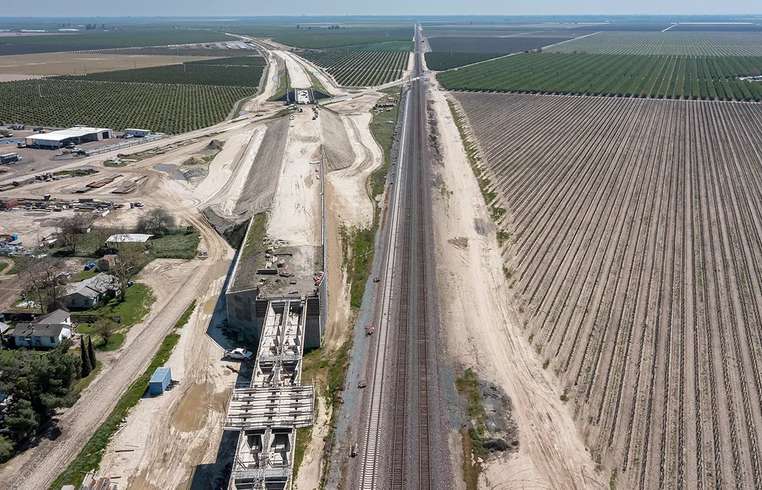
In a sprawling saga of ambitions gone awry, California's high-speed rail project, originally envisioned to connect Los Angeles to San Francisco, is now facing a startling price tag of $126 billion. This staggering figure has caused widespread criticism and calls for the project's termination. Not a single mile of track has been laid, despite the project being in the works for nearly two decades since voters approved its inception with a $33 billion estimate in 2008. The California High Speed Rail Authority, responsible for this colossal undertaking, has continually revised its cost estimates upwards amidst wavering public support and political opposition. On a recent airing of CBS's "60 Minutes," board member Anthony Williams reaffirmed this staggering reality, much to the dismay of many citizens who were promised a technological leap in transportation. California Transportation Secretary Toks Omishakin has conceded that many criticisms hold merit and that the project's original backers underestimated the complexity and financial requirements. This admission echoes sentiments from President Donald Trump, who labeled the endeavor as one of the worst examples of government waste in recent memory. The project has become a defining issue for California's political landscape, with Republican critics like Representative Vince Fong citing it as a blatant example of mismanagement. There is concerted pressure on Democratic Governor Gavin Newsom, particularly from parties opposing burgeoning state expenditure without results. The problematic rail project was once touted as a transportation revolution but is now dubbed by detractors as a "train to nowhere." Critics have highlighted its stark contrast with successful projects like Elon Musk's SpaceX, which has achieved significant milestones at a fraction of the cost. Efforts to continue the project face insurmountable challenges, not least a funding gap of approximately $90 billion and the absence of visible progress save for an incomplete segment in California's Central Valley. With its earliest completion date now projected for 2033, uncertainty looms over the viability of the project. Despite the bleak outlook and mounting calls for its end, state officials insist they are optimistic about securing additional funding. However, with public trust dwindling, even proponents of high-speed rail as a modern necessity are questioning whether this vision will ever become reality. The ongoing debate encapsulates broader concerns over governance, fiscal responsibility, and the accountability of public infrastructure projects.
About usyoo

Categories
Tags