News - Anchor siblings charged in MacDill Air Base terror plot
Business Strategy
Anchor siblings charged in MacDill Air Base terror plot
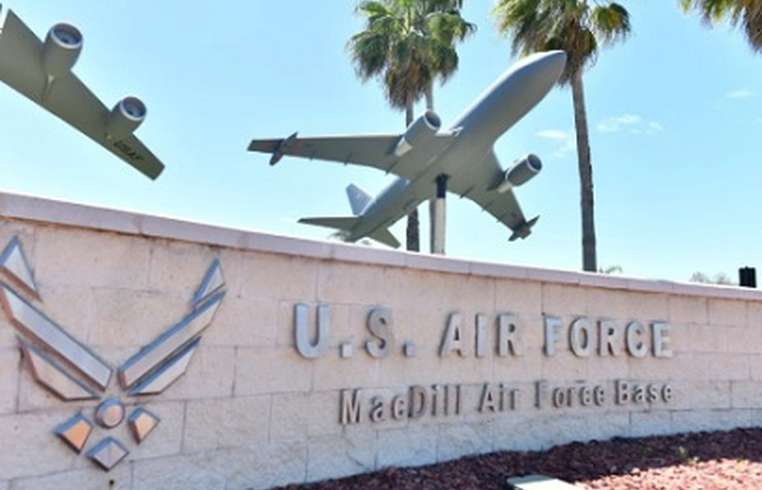
In a significant case that has reignited the debate over birthright citizenship, two U.S.-born siblings, the children of Chinese illegal immigrants, have been charged in connection with an attempted terrorist attack on MacDill Air Force Base in Tampa, Florida. The Trump Administration has pointed to this incident as a striking illustration of the risks tied to automatic citizenship for children born to illegal immigrants. According to charges filed by the Department of Justice, Ann Mary Zheng was arrested on counts of aiding her brother, Alen Zheng, after he allegedly attempted to detonate an improvised explosive device (IED) at the military base's Visitor’s Center. Further accusations detail that Ann Mary Zheng took steps to help her brother evade arrest and destroy evidence post-attack. The central issue of the siblings' U.S. citizenship arises from their birth circumstances. They were born in the United States subsequent to their parents' illegal entry from China. This has raised concerns about national security vulnerabilities stemming from birthright citizenship, a policy traditionally interpreted from the Citizenship Clause of the Fourteenth Amendment. Laura Bis, the Acting Assistant Secretary of Homeland Security, commented on the events, emphasizing the security implications: 'The automatic conferral of citizenship to the children of unlawful entrants has long been contested, and this attempted attack undeniably highlights the risks involved. The situation reinforces pervasive concerns about the safety implications linked with such policies.' The incident prompted immediate action from immigration authorities. Agents from Immigration and Customs Enforcement (ICE) successfully apprehended the siblings' parents, Qiu Qin Zou and Jia Zhang Zheng, days after the attack. Despite prior orders for deportation dating back to 1998 following rejected asylum applications, the couple managed to remain in the U.S., revealing considerable challenges in enforcing immigration laws. This development comes amidst wider political discourse, with President Donald Trump having recently reissued an executive order termed, 'Protecting the Meaning and Value of Citizenship,' as part of his continued tenure. The legal standing of this directive is currently under examination by the Supreme Court. The unfolding legal and political implications of this case continue to echo in discussions across the nation. With the profound consequences resting on the interpretations of what it means to be a citizen, the upcoming legal battles promise to shape future policy decisions significantly.
About usyoo

Categories
Tags