

News - AI Tools Revolutionizing Military Education
Business Strategy
AI Tools Revolutionizing Military Education
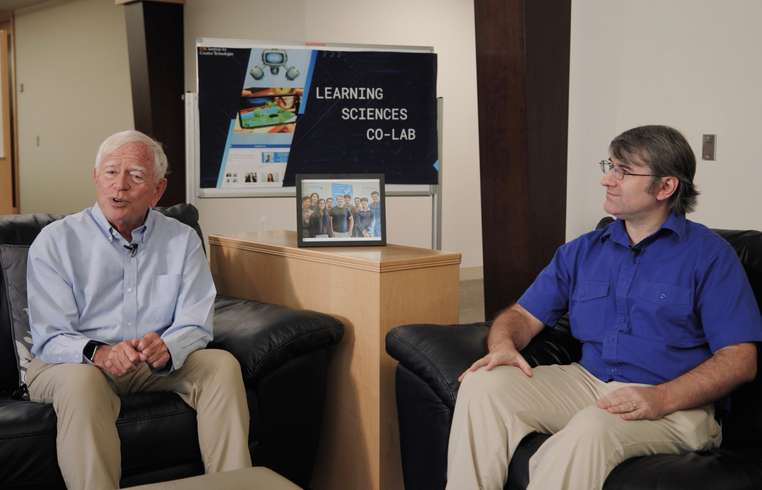
In an era defined by rapid technological advancement, the intersection of artificial intelligence (AI) and education is breaking new ground in the military sector. The University of Southern California's Institute for Creative Technologies is at the forefront of this revolution, developing AI-enabled synthetic humans to bolster the learning curve for soldiers. These AI tools simulate real-life scenarios, allowing military personnel to develop and refine critical skills in a controlled, virtual environment. Through this innovative approach, soldiers can engage with complex tactical exercises that promote deeper understanding and retention of crucial information, ensuring they are better prepared for real-world challenges. The initiative has not only enhanced the educational landscape within the military but also attracted notable investments. Recently, an infusion of nearly $31 million was directed toward expanding these efforts, indicative of the growing recognition of AI's potential to transform traditional learning methodologies. Moreover, this advancement in AI applications extends beyond the military context. The same technology is being utilized in the medical field, particularly in research aimed at decoding Alzheimer’s disease. By leveraging AI to analyze vast datasets, researchers hope to uncover patterns and insights that could lead to groundbreaking treatments for the debilitating condition. Together, these developments underscore a broader trend of AI integration across diverse fields, demonstrating its capacity to revolutionize both educational and medical paradigms. As these technologies continue to evolve, they promise to change the way knowledge is acquired and applied, leading to more informed, capable, and responsive individuals not just within the military, but across various sectors.
About usyoo

Categories
Tags