News - Criticism of Sanctuary Policy Following the Murder of an American Mother
Business Strategy
Criticism of Sanctuary Policy Following the Murder of an American Mother
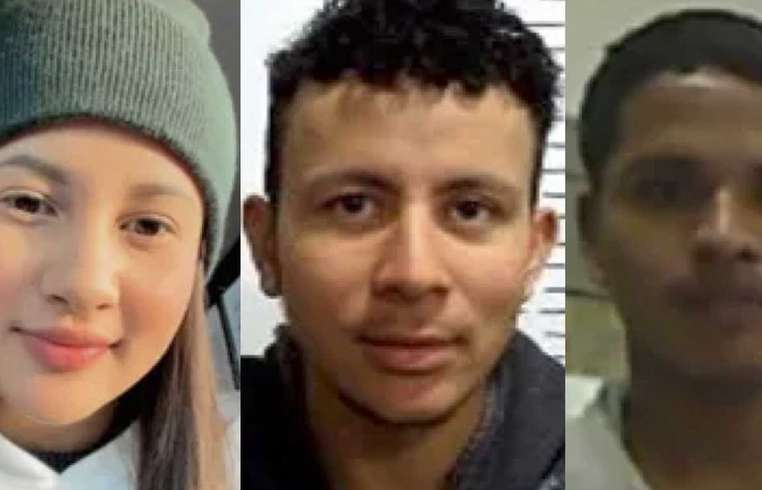
In a case stirring national debate, the Department of Homeland Security (DHS) has criticized local officials in California for ignoring federal immigration detainer requests, leading to the release of two illegal aliens who allegedly murdered Kembery Chirinos-Flores in January. The incident has reignited discussions around 'sanctuary' policies and their implications for community safety. Chirinos-Flores, a 24-year-old single mother, was found with fatal gunshot wounds in a vehicle in Sunnyvale, leaving her 5-year-old son without a parent. The suspects, Franquin Inestroza-Martinez and Gerzon Jose Chirinos-Munguia, both of whom have been deported multiple times, were apprehended and charged with her murder in March. A shotgun believed to be the murder weapon was recovered, according to Sunnyvale's Department of Public Safety. This tragic event has put a spotlight on Santa Clara County's 'sanctuary' policies, which refuse cooperation with federal immigration authorities. DHS has openly criticized this stance, highlighting the risks of releasing dangerous individuals into the community after ignoring ICE detainer requests. Acting Assistant Secretary Lauren Bis issued a strongly worded statement denouncing Santa Clara officials for their refusal to collaborate with ICE, emphasizing, 'This insanity of refusing to turn cold-blooded killers over to ICE must end.' Inestroza-Martinez from Honduras has entered the U.S. illegally several times and faces an additional warrant related to a separate homicide case in New Jersey, allegedly committed with a shotgun. Chirinos-Munguia, also from Honduras, shares a similar history of illegal re-entry and brushes with the law, including charges of domestic battery. Chirinos-Flores’ murder has served as a poignant reminder of the complex challenges associated with non-cooperation policies, as noted by DHS. Her son has since been placed under the care of Child Protective Services in light of his father's alleged involvement in the crime. As debates over immigration enforcement and community protection continue to unfold, this case presents a critical reflection on the balance between protecting immigrant rights and ensuring public safety. DHS remains committed to fostering secure communities and preventing similar tragedies from befalling other families.
About usyoo

Categories
Tags