News - Further analysis indicates an additional rise in U.S. electricity costs.
Business Strategy
Further analysis indicates an additional rise in U.S. electricity costs.
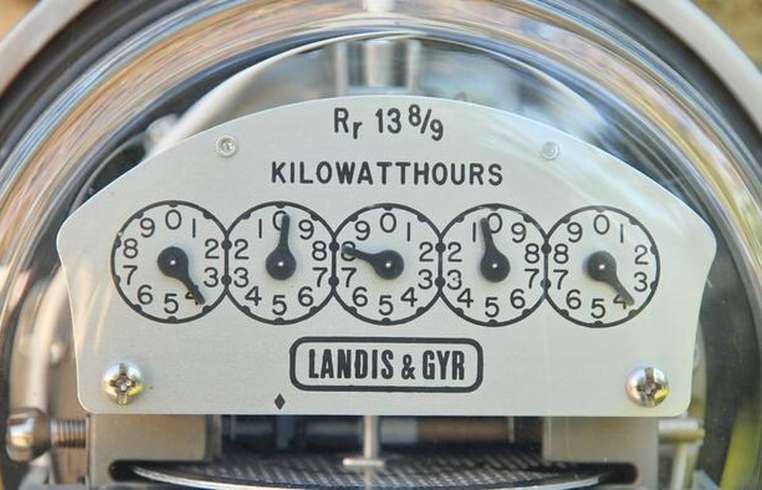
A joint analysis by Lawrence Berkeley National Laboratory and The Brattle Group has revealed significant increases in U.S. electricity prices, highlighting a complex landscape with considerable state-by-state variation. The trend points towards further price rises driven by investor-owned utility rate increase requests and regulatory approvals unless corrective policy or market interventions take place. Out of the $18 billion in rate increases proposed the previous year, a substantial portion of utility rate proposals from 2021-2025 have passed. According to the report, investor-owned utilities are aiming for unprecedented revenue increases by 2025, marking a high not seen since the mid-1980s. This suggests continued upward pressure on prices as regulators deliberate on these requests. National electricity prices have surged by 33% from 2019 through 2025, though states like California, the Northeast, and Mid-Atlantic regions have experienced even more abrupt increases. Such a rise has led to over a third of American households dedicating more than 5% of their income to electricity. The study juxtaposes a 'crisis' and a 'nuanced' perspective. While the 'crisis view' underscores a surge in national prices using historical comparisons, the 'nuanced view' suggests that over 29 states have adjusted prices following inflation trends and highlights that electricity burdens in most areas are less than in 2019. The recent shift in retail electricity costs has impacted residential customers more intensely than commercial and industrial users. Residential price per kilowatt-hour leaped 33%, while commercial and industrial prices increased by 26% and 27%, respectively, from 2019 to 2025. The average nominal retail electricity price spiked by 5.3% in 2025 compared to 2024. Researchers emphasize that residential electricity price hikes align with general household expenditures trends, albeit steeper than some categories. In nominal terms, U.S. residential electricity prices climbed from 13 cents/kWh in 2019 to 17.3 cents/kWh by 2025, with commercial prices moving from 10.7 to 13.4 cents/kWh, and industrial from 6.8 to 8.6 cents/kWh. The study identifies several core factors propelling these price hikes: fuel costs, wholesale supply dynamics, distribution expenditures, charges tied to new electricity generation, transmission fees, costs linked to storm recovery, and pricing for capacity. By providing a detailed update through 2025, the analysis by LBNL and The Brattle Group acts as a timely lens on the evolving electricity pricing landscape, underscoring the necessity for comprehensive policy frameworks to mitigate future economic burdens on consumers.
About usyoo

Categories
Tags