
News - Supreme Court Considers Limits on Birthright Citizenship
Business Strategy
Supreme Court Considers Limits on Birthright Citizenship
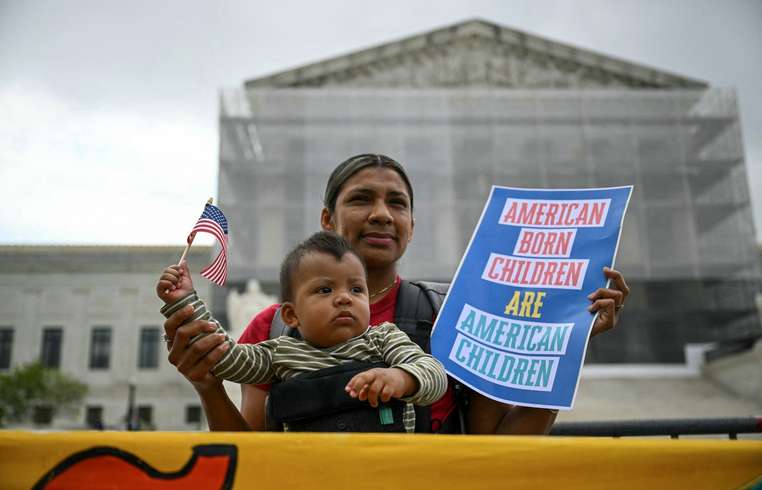
In a crucial legal battle, the Supreme Court deliberates on President Donald Trump's controversial executive order aimed at restricting birthright citizenship in the United States. Trump proposed changes to the 14th Amendment's citizenship clause on his second term's first day, suggesting citizenship should be granted only if at least one parent is a U.S. citizen or permanent resident. This proposal upends a longstanding interpretation offering citizenship to nearly anyone born on U.S. soil, regardless of parental immigration status. The executive order has faced immediate legal challenges, blocking its implementation. Legal experts forecast significant hurdles for Trump in gaining judicial backing for the policy. The administration's legal defense hinges on a broadened interpretation of the phrase “subject to the jurisdiction thereof,” asserting more stringent definitions of U.S. allegiance. Legal precedents, including Elk v. Wilkins, are scrutinized in support of Trump's stance despite dissent from Native American law experts. Opponents such as the American Civil Liberties Union highlight the consistency of historical interpretations, citing United States v. Wong Kim Ark as a key precedent affirming citizenship by birth. As the Supreme Court considers this contentious issue with its 6-3 conservative majority, the decision may shift the onus to Congress to address the potential implications of altering birthright citizenship.
About usyoo

Categories
Tags