News - Debate Over Paramount-Warner Merger Sparks Political Antitrust Dispute
Business Strategy
Debate Over Paramount-Warner Merger Sparks Political Antitrust Dispute
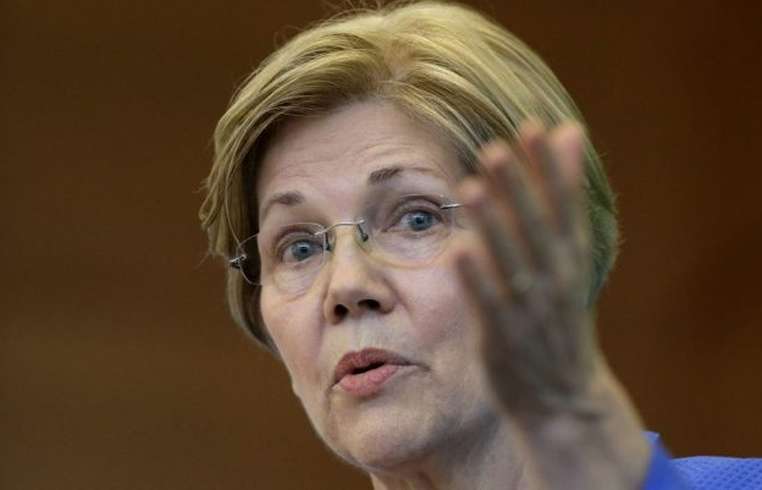
The ongoing debate over the $110 billion corporate merger between Paramount Skydance and Warner Bros. Discovery has ignited a significant political clash among Democrats, revealing the contentious nature of antitrust concerns in modern American politics. California Attorney General Rob Bonta, along with Democratic Senators Elizabeth Warren and Richard Blumenthal, have vocally opposed the merger, citing the potential dangers of increased market concentration. Their concerns are echoed by more than two dozen advocacy groups led by the Center for American Progress, spearheaded by Neera Tanden. In contrast, the lack of similar outcries during previous large-scale acquisitions that benefited Democrats' allies has raised questions about the genuine motives behind these antitrust arguments. The proposed merger could transform the entertainment landscape, impacting millions of consumers. Proponents of the deal highlight Paramount Skydance CEO David Ellison's commitment to maintaining editorial independence for news outlets like CNN and CBS, aiming to serve a politically diverse audience. Assistant Attorney General Omeed Assefi has assured the public that the acquisition will not be expedited for political reasons, emphasizing the need for a balanced evaluation of potential antitrust issues. However, critics argue that the Democrats' resistance is more of a political maneuver to maintain influence over the media and punish adversaries. Gerard Scimeca, chairman of CASE, a free-market consumer advocacy organization, cautions against using antitrust policies as a tool for political gain. He calls for a return to the core principles of antitrust laws focused on consumer welfare, rather than politically driven objectives. The Warner Bros. Discovery merger debate underscores a broader discourse on how political affiliations may shape antitrust agendas, urging voters to scrutinize the motivations behind regulatory actions.
About usyoo

Categories
Tags