

News - U.S. Housing: $347 Billion in Listings Go Stale Amid Market Pressures
Business Strategy
U.S. Housing: $347 Billion in Listings Go Stale Amid Market Pressures
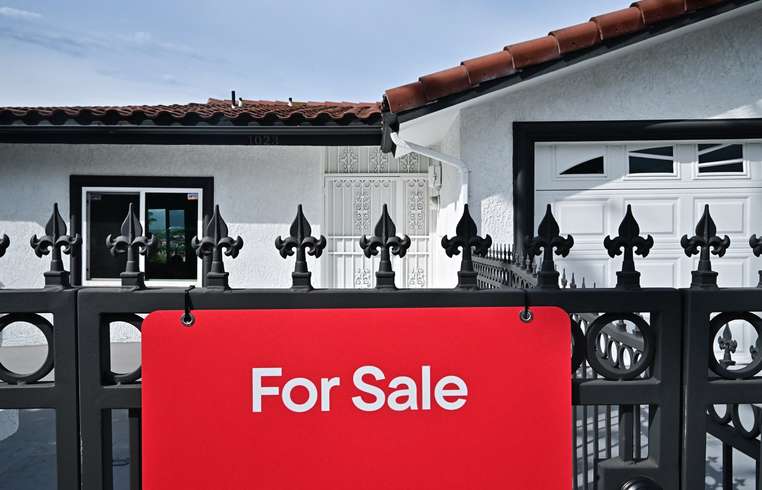
In a record-breaking development, over $347 billion worth of U.S. home listings are languishing on the market for over two months, reports Redfin. This staggering figure, the highest recorded during what should be the bustling spring season, underscores the fragility of the current market, strained by economic uncertainties stemming from geopolitical conflicts. The mounting impact of the Iran conflict on the global economy is causing would-be buyers to hesitate, stagnating the market at a time when it typically rebounds from winter dormancy. February statistics reveal a 3.7% drop in home sales compared to last year, with only 318,107 homes sold. The anticipated revival of low mortgage rates hasn't materialized as expected, further dampening demand. The data highlights a critical imbalance: a surplus of sellers with 630,000 more listings than interested buyers. Homes now spend an average of 66 days on the market, a ten-year high for this season. Florida's Miami leads the stale listings count with 62.6%, indicating a notable demand shift following the pandemic-fueled housing boom and expanded inventory. Texas is experiencing similar trends, particularly in Austin, where new housing surges and corrected prices create a buyer's market. Meanwhile, strong demand and limited inventory in cities from California's Bay Area to Seattle are keeping listings fresher. Experts cite heightened mortgage rates, fueled by the Middle East tensions, as a major constraint, preventing what should be a buyer-friendly season. As Joel Berner of Realtor.com and Lisa Sturtevant of Bright MLS voice their concerns over external economic pressures, the market could see prolonged weakness if geopolitical strife continues. As buyers hold the negotiating power in affected areas, sellers are compelled to price competitively, often resulting in sales below asking prices. Some sellers even withdraw listings after protracted market periods. The outlook remains uncertain, hinging on the resolution of global conflicts and economic stabilization, which, if unresolved, could stifle the traditionally robust spring home-buying scenario.
About usyoo

Categories
Tags