
News - Armenian Prime Minister Plans Strategic Diplomatic Visit to Russia
Business Strategy
Armenian Prime Minister Plans Strategic Diplomatic Visit to Russia
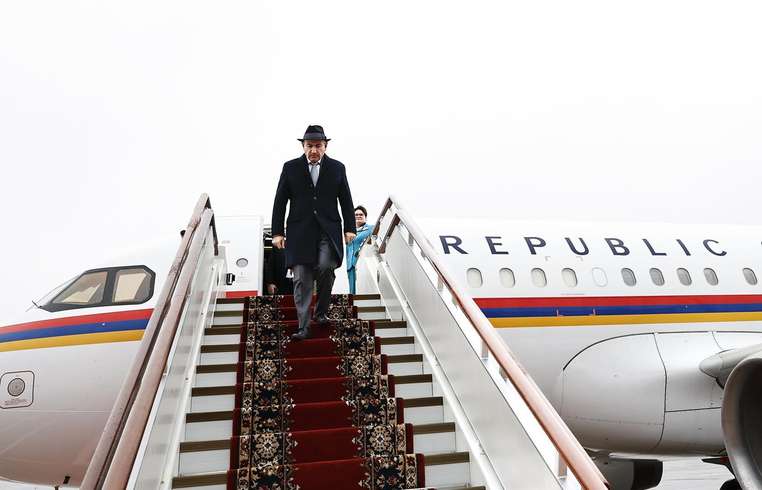
In a move symbolizing the ongoing complex relationships embedded within Eurasian geopolitics, Armenian Prime Minister Nikol Pashinyan is scheduled to depart for Moscow on April 1, signaling a surge in diplomatic engagements between Armenia and Russia. This working visit, which underscores a crucial segment of Pashinyan's foreign policy, aims at fortifying the historically deep-seated ties between the two nations while navigating newer diplomatic landscapes. The imminent meeting between Prime Minister Pashinyan and President Vladimir Putin signifies an opportunity to engage in discussions on multifaceted issues impacting both countries. With trade and security at the forefront, the dialogue is expected to evolve around solidifying economic partnerships, fostering regional stability, and exploring avenues for innovative cooperation in technology and infrastructure. Armenia's strategic positioning serves as a focal point in Eurasian politics, necessitating a balanced approach to alliances amid global tensions. Within this context, Pashinyan’s conversation with Putin will likely address critical areas such as economic sanctions, defense agreements, and collaborative responses to ongoing regional conflicts. The Armenian Government projects this visit as more than routine diplomacy, anticipating significant outcomes that might include new bilateral agreements enhancing mutual interests. Observers see this as an essential step to reinforce Armenia's sovereignty through bolstered alliances and fortified economic pathways. Anticipation surrounds the outcomes, with analysts predicting potential shifts in Armenia’s engagement strategies within broader Eurasian dynamics. As global focus remains on Armenia and Russia, the diplomatic exchange will undoubtedly append new chapters to their longstanding relations, threading historical ties with modern strategic necessities.
About usyoo

Categories
Tags