News - Global Oil Crisis Escalates as Gas Prices Soar Due to Iran Conflict
Business Strategy
Global Oil Crisis Escalates as Gas Prices Soar Due to Iran Conflict
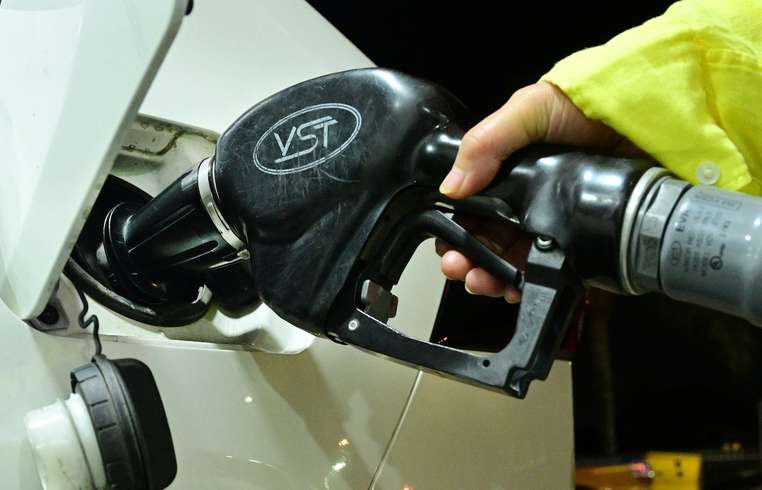
In a dramatic escalation of the global oil crisis, gas prices in the United States have soared past $4 per gallon on average, marking the first such surge in nearly four years. This sharp increase follows the outbreak of the U.S.-Israeli war on Iran, which has sent shockwaves through international oil markets. Since the conflict erupted on February 28, prices at the pump have escalated by more than 30%, according to AAA data. The last time fuel costs exceeded $4 per gallon was in August 2022, following the Russian invasion of Ukraine. Central to the crisis is Iran's closure of the Strait of Hormuz, a crucial maritime trade route through which about 20% of the world's oil supply passes. This strategic obstruction has stirred concerns over a prolonged oil shortage, consequently causing crude prices to skyrocket. Despite being a net exporter, the U.S. is caught in the global economic ripple effects. Oil prices are dictated by international markets, and American prices reflect global supply and demand variations. As of Tuesday, global oil prices had surged to approximately $104 per barrel, a steep 50% increase since the inception of hostilities. Fuel prices are predominantly driven by crude oil costs, which comprise more than half of the total price at the pump, as outlined by the U.S. Energy Information Administration. The current oil crisis has drawn comparisons to the severe energy shocks of the 1970s, yet International Energy Agency (IEA) Executive Director Fatih Birol has indicated that today's situation is even more severe. Birol characterized the crisis as a "major, major threat" to the worldwide economy, emphasizing that no nation will remain unaffected if the situation continues on this trajectory. To counteract the ongoing turmoil, IEA member nations declared plans to release 400 million barrels from their strategic reserves — a historic measure for the 32-nation group. The U.S. administration, led by President Trump, is preparing the second-largest release from its emergency reserves, contributing nearly half of the IEA's intended output. Additionally, Trump has relaxed certain sanctions on Russian oil and suspended regulations governing domestic oil transportation, while also advocating to restore tanker navigation through the Strait of Hormuz. The combined efforts seek to stabilize the global oil market and mitigate the economic havoc unleashed by the conflict, yet significant uncertainty looms over the path and duration of this crisis.
About usyoo

Categories
Tags